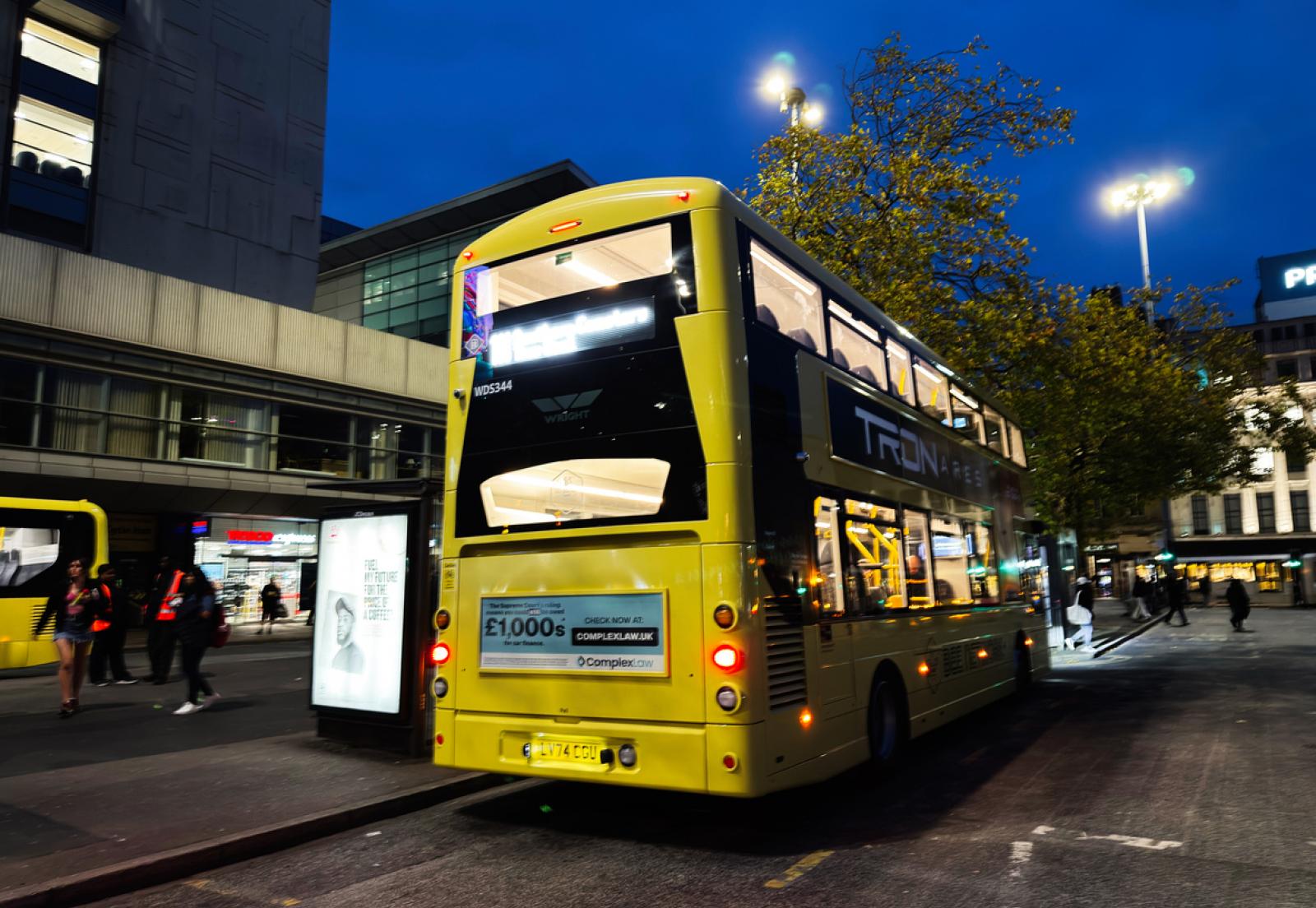

Millions of passengers across the UK are set to benefit from faster, cheaper and more reliable bus services following the government’s announcement of a £3 billion investment in services and infrastructure.
The landmark funding will provide multi-year settlements, giving councils the freedom to spend allocations as they see fit – whether by lowering fares, introducing new routes and zero-emission buses, or creating safer bus stops. For years, local authorities have lacked the certainty to make long-term investments, but this change will enable them to develop plans tailored to their communities.
This announcement follows the Bus Services Act, which became law in October 2025, granting local authorities the power to run services in the way that best meets local needs and protecting socially necessary routes. Almost £700 million per year will be allocated to local authorities up to 2028–29, consolidating multiple funding streams into one flexible source.
Local leaders – not Whitehall – will now decide how bus services should operate, continuing the government’s commitment to ensuring services are run for people, not profit. The funding will also support mayoral combined authorities with the costs of franchising their bus networks, a model already proving successful in Greater Manchester with its Bee Network.
Alongside this, the government is launching a £3 million Bus Franchising Fund to accelerate franchising pilots across the UK. Today’s announcement forms part of a wider strategy to make public transport cheaper and more reliable, helping to ease the cost of living for working people.
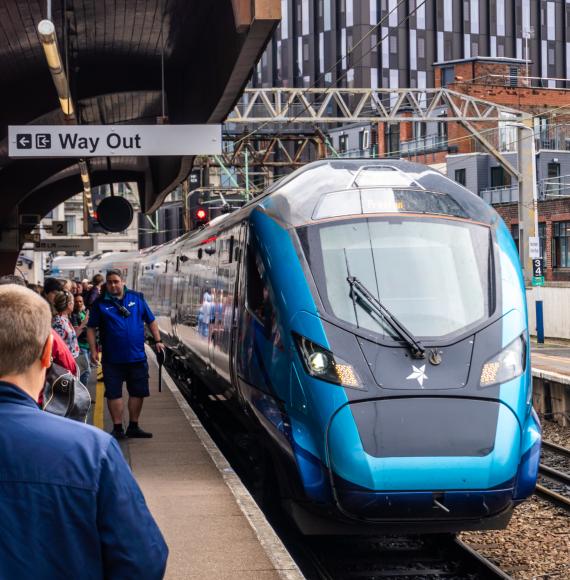
The government is also freezing rail fares for the first time in 30 years, saving commuters on some routes more than £300 annually, and reforming the railways through Great British Railways, which will introduce tap-in-tap-out ticketing and digital fares for better value and convenience.
Heidi Alexander, Transport Secretary, said:
“After years of decline, better buses are finally on the way. Our £3 billion investment will give local authorities the long-term funding they need to deliver lower fares, more frequent services and the reliable transport that communities depend on.
“We’ve already extended the £3 bus fare cap to help people with their everyday journeys and now we’re backing this with the funding councils need to transform their local services.
“This is part of our wider plan to make public transport cheaper across the country – we’ve frozen rail fares for the first time in 30 years and we’re building Great British Railways to deliver better value for passengers.
“Whether it’s the bus to work, the train to see family, or getting to a hospital appointment, affordable transport is essential to bearing down on the cost of living and growing our economy.”
This £3 billion investment marks a major step toward delivering modern, affordable and sustainable public transport for communities nationwide.
Image credit: iStock