

Passengers travelling across the North of England are set to benefit from faster, greener and more reliable rail services following a major government-backed investment of around £1 billion in a new fleet of battery-electric trains.
The deal will see 29 new battery-electric TransPennine Express trains built at Derby's historic Litchurch Lane Works, delivering a significant boost for passengers, regional connectivity and Britain's rail manufacturing sector.
The investment is being highlighted as a flagship example of what Great British Railways (GBR) aims to achieve by integrating track and train operations to improve services while supporting economic growth.
The new fleet is expected to cut journey times by up to 10 minutes between Manchester and Leeds and by as much as 14 minutes between Manchester and York.
The trains will play a key role in delivering the ambitions of the Transpennine Route Upgrade (TRU), helping increase capacity by 30% and providing thousands of additional seats each day across the Pennines by the early to mid-2030s.
Operating on key routes including Liverpool Lime Street to Scarborough, Manchester Airport to Saltburn, and Manchester Piccadilly to Hull, the new trains are designed to offer a step change in reliability, comfort and sustainability.
The agreement represents a significant vote of confidence in UK rail manufacturing and will support more than 350 highly skilled jobs in Derby.
In addition, the project will create opportunities for 40 apprentices and 40 students while supporting an estimated 6,000 jobs throughout the wider UK supply chain. The wider economic impact is expected to generate around £360 million for the British economy.
The trains will be manufactured by Alstom at its Derby facility, recognised as the world's largest rolling stock manufacturing site outside China. The site has been designing, engineering and building trains continuously since 1876.
The agreement also supports employment across manufacturing, engineering, digital systems and rail technology businesses throughout Britain.
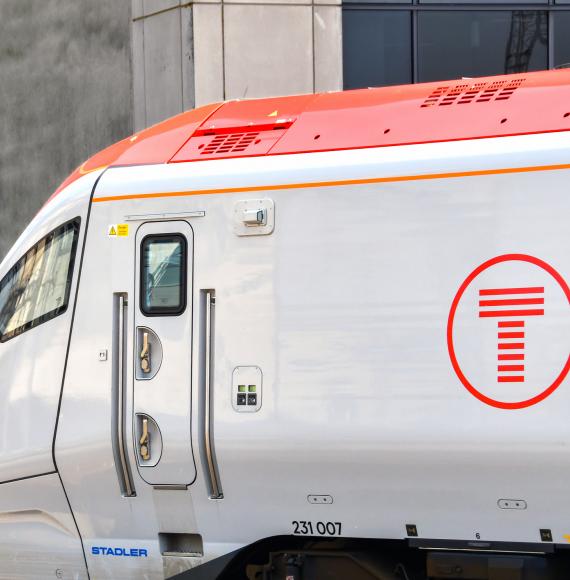
The new Adessia Stream trains will become the first battery-electric trains to operate on a UK mainline route. By providing emission-free travel on non-electrified sections of track, they will contribute to the rail industry's decarbonisation goals while improving the passenger experience.
Passengers can expect quieter and smoother journeys, enhanced reliability, increased luggage space and onboard Wi-Fi connectivity.
The trains are scheduled to begin construction from 2028 and enter passenger service from winter 2034.
Accessibility improvements have been built into the design from the outset.
Features will include step-free boarding, reduced gaps between the train and platform, three dedicated wheelchair spaces per train, two accessible toilets, family-friendly areas and dedicated cycle and buggy storage.
These changes are intended to make rail travel easier and more comfortable for wheelchair users, families, passengers with luggage and those requiring additional support.
The announcement builds on the significant progress already delivered through the Transpennine Route Upgrade programme, which has generated more than £1 billion of spending with local businesses and delivered £2.6 billion in social value for communities across the North.
The programme currently employs around 5,000 people and is expected to support approximately 8,000 roles over its lifetime.
The trains will be purchased by Rock Rail and leased to TransPennine Express as part of a partnership focused on delivering cleaner, more efficient and more sustainable rail services.
Prime Minister, Andy Burnham, said:
“I’ve lost count of the number of times someone has stopped me to tell me about the train that never came. And when that happens, it means missed shifts, missed appointments, and missed opportunities.
“Today that starts to change. These 29 new trains will bring faster, more reliable journeys to the North, and thousands of British jobs for the next generation.
“It’s exactly what Great British Railways is all about - taking back control of the basics and getting Britain believing again.”

Transport Secretary, Heidi Alexander, said:
“This significant investment embodies how GBR will deliver better journeys for people while backing British business.
“Passengers will be able to wave goodbye to overcrowded, delayed diesel trains and step onboard faster electric trains which are fit for the future.”
Image credit: iStock