

A new AI-powered system is set to reduce waiting times for people contacting the police via the 101 non-emergency service, helping forces deal more efficiently with genuine crime reports while cutting the impact of misdirected and nuisance calls.
The police's 101 service receives around 20 million calls every year. However, approximately 20 per cent of those calls, equating to around four million contacts, are intended for other organisations such as local councils, NHS 111 or the 105 power outage service.
Call handlers also regularly deal with inappropriate requests ranging from complaints about delayed pizza deliveries and slow pub service to requests for transport, diverting resources away from frontline policing and public protection.
To tackle the issue, the Government has invested £1.4 million in a new AI-enabled triage system developed by the Home Office and the National Police Chiefs' Council (NPCC), with Vodafone Business acting as the delivery partner.
The technology is designed to identify the reason for a caller's contact with 101 and direct non-police matters to the appropriate organisation before the caller joins a queue. Currently, many of these calls are only identified once they reach a call handler, leading to unnecessary delays for both the caller and the police.
The Government estimates that the technology could save policing up to £8.5 million every year, allowing local forces to reinvest funds into operational priorities and frontline services.
Crime and Policing Minister, Sarah Jones, said:
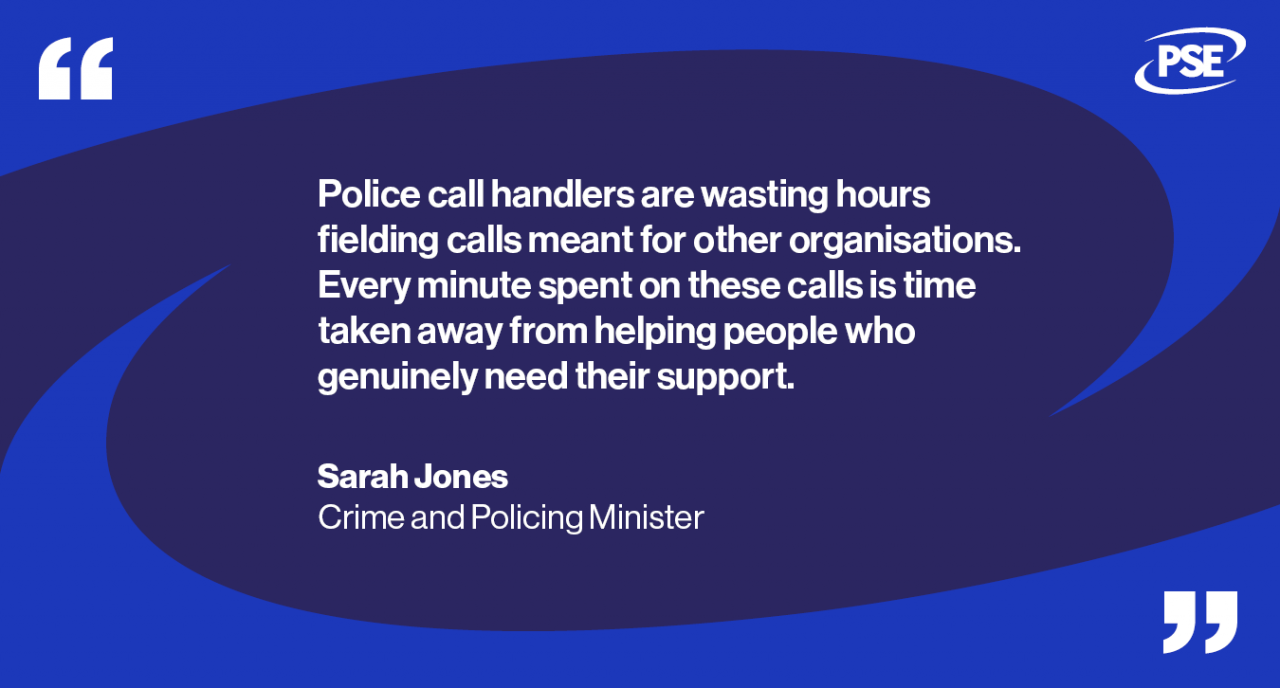
"Police call handlers are wasting hours fielding calls meant for other organisations. Every minute spent on these calls is time taken away from helping people who genuinely need their support.
“AI is already helping police catch dangerous criminals and speed up investigations. Now, it will help bring control rooms into the 21st century, freeing up time and unlocking millions of pounds. Forces can reinvest those savings into tackling the crime on our streets."
The AI system has undergone extensive testing by both the Home Office and police forces to ensure accuracy and fairness. According to developers, the technology has been trained to recognise a wide range of accents and ways of speaking, reducing the risk of callers being incorrectly categorised.
During pilot programmes across 15 police forces, the system successfully redirected issues such as fly-tipping complaints, noise disturbances and damage-only road traffic incidents to the relevant agencies.
A series of safeguards have also been built into the platform. Callers are informed how the system has interpreted their reason for calling and can confirm or reject the assessment. Additional safeguarding questions are used where required and, if there is any uncertainty, the call is immediately transferred to the police.
Importantly, callers will continue to have the option of speaking directly with a call handler if they prefer.
The new 101 triage technology forms part of a wider £16.5 million Government investment aimed at modernising how police forces engage with the public.
Alongside the new call-routing system, funding will support the deployment of AI tools capable of transcribing 999 and 101 calls and identifying trends across crime reports to help forces better understand and manage demand.
The 999 emergency service remains unchanged.
Image credit: iStock