
Liverpool City Region has set out a bold new strategy to attract more major cultural, sporting and business events, following approval at today’s Combined Authority meeting.
Building on a global reputation for delivering high‑quality, high‑profile events – including Eurovision, The Open Championship and the Labour Party Conference – the new Major Event Strategy aims to position the City Region as the UK’s leading destination for international events.
Major events already generate an estimated £900 million a year for the Liverpool City Region, supporting jobs, raising the area’s international profile and fostering civic pride and wellbeing. Events and sports tourism account for 10–15% of the £6.2 billion visitor economy, underlining their importance to growth and regeneration.
However, with global competition for hosting major events increasing, leaders have agreed the need for a more unified, proactive and strategic approach to secure future opportunities.
The new overarching strategy aligns cultural, sporting and business events, recognising their combined role in driving tourism, inward investment and international reputation. Its ambition is to make the Liverpool City Region the UK’s leading destination for international events, the most progressive region for developing new event concepts, and the easiest place for commissioners and funders to work with
By adopting a single, coordinated vision, the strategy creates a clear framework for attracting and delivering events of all sizes and types.
The strategy builds on a strong pipeline of major events already secured across the City Region:
- Sefton will host The Open at Royal Birkdale, the Grand National at Aintree, and a major programme celebrating Southport’s ‘Elegantly Eccentric’ identity
- Halton is attracting new audiences through its Made in Halton cultural programme
- In 2027, Liverpool, Knowsley and St Helens will host stages of the Tour de France, with a stage finish in Liverpool expected to draw huge crowds
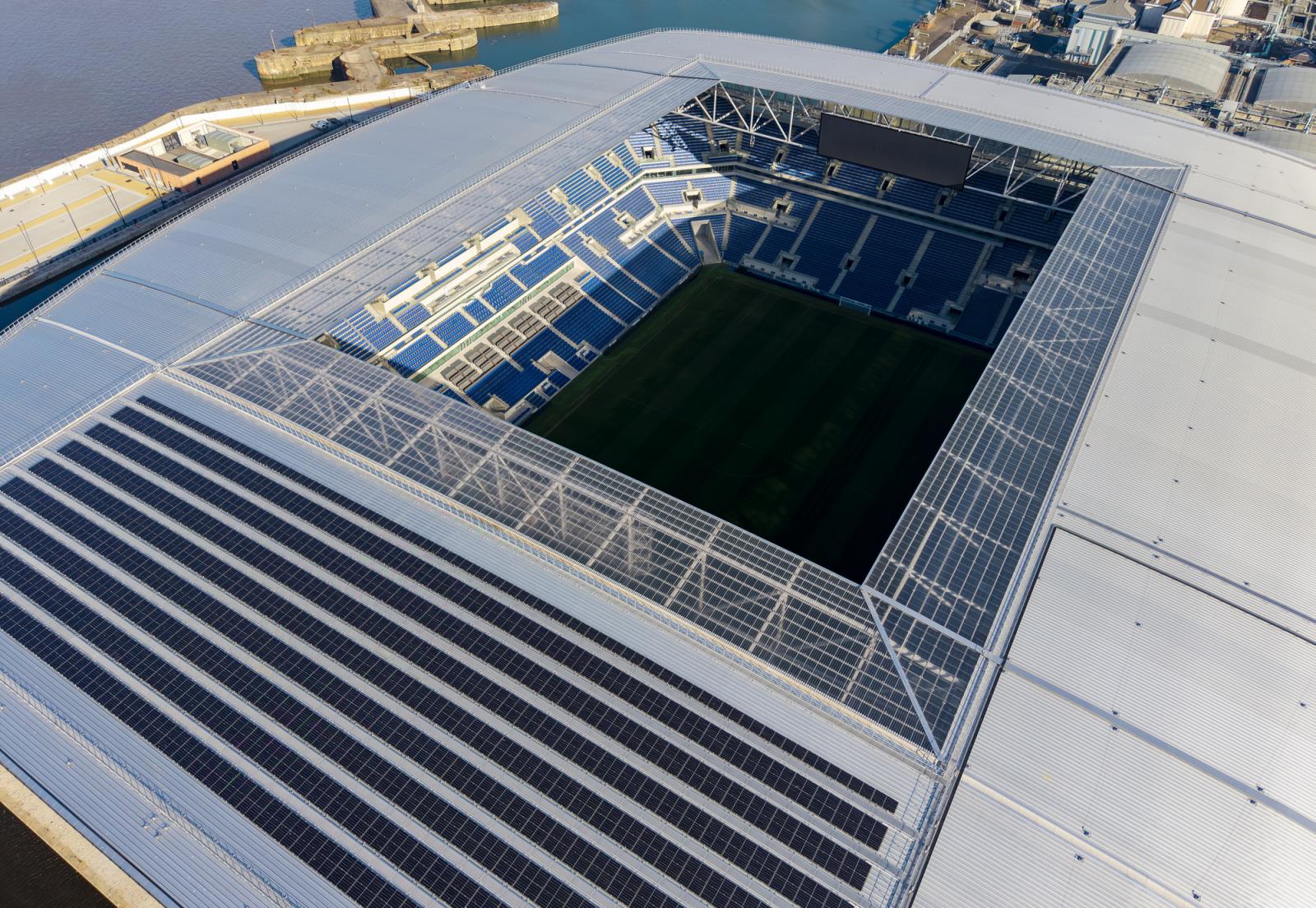
- Everton’s Hill Dickinson Stadium will host five UEFA EURO 2028 matches
Liverpool is also bidding to host the 2030 World Gymnastics Championships and is part of the UK bid for the FIFA Women’s World Cup in 2035.
The new strategy aims to capitalise on recent successes such as the World Boxing Championships in Liverpool, while growing events that celebrate the region’s identity and diversity.
By showcasing its cultural strength, sporting pedigree and organisational capability, the City Region hopes to increase foreign direct investment by 25% by 2030, using major events as a catalyst for long‑term economic growth.
Delivery of the strategy will build on the work already undertaken by a wide range of partners, including:
- The Combined Authority and local councils
- Business Improvement Districts
- The private sector
- National bodies such as UK Sport and Arts Council England
Strategic coordination and reporting will be led by the Liverpool City Region Destination Partnership, ensuring alignment across the region and providing clear oversight.
Liverpool City Region Mayor, Steve Rotheram said:
“We’ve shown the world what the Liverpool City Region can do when it comes to major events, from Eurovision to The Open Golf Championship, and every time we’ve delivered.
“But this is a competitive global market, and if we want to keep winning the biggest events, we have to be organised, ambitious and easy to work with. That’s why this strategy brings everyone together, so we can go out and make the case for our region with one clear voice.
“We know that major events are about more than a weekend of headlines. They bring jobs, investment and pride to our communities, and they help us tell our story to the world. That’s what this is about: backing our strengths, opening new doors, and making sure the benefits are felt right across the whole City Region.”
The framework incorporates the existing Major Sports Events Strategy, overseen by the Sport Liverpool Board, alongside new strategies for business and culture, due to be published in the spring.
While complementary, each strategy will reflect the different impacts and requirements of these event types. Importantly, the approach also allows flexibility to attract and grow smaller‑scale events, helping to engage communities, increase participation and improve health and wellbeing across the City Region.
Leaders say the strategy marks a significant step forward in strengthening Liverpool City Region’s position as a global events destination, while ensuring the benefits are felt by residents, businesses and communities alike.
Image credit: iStock