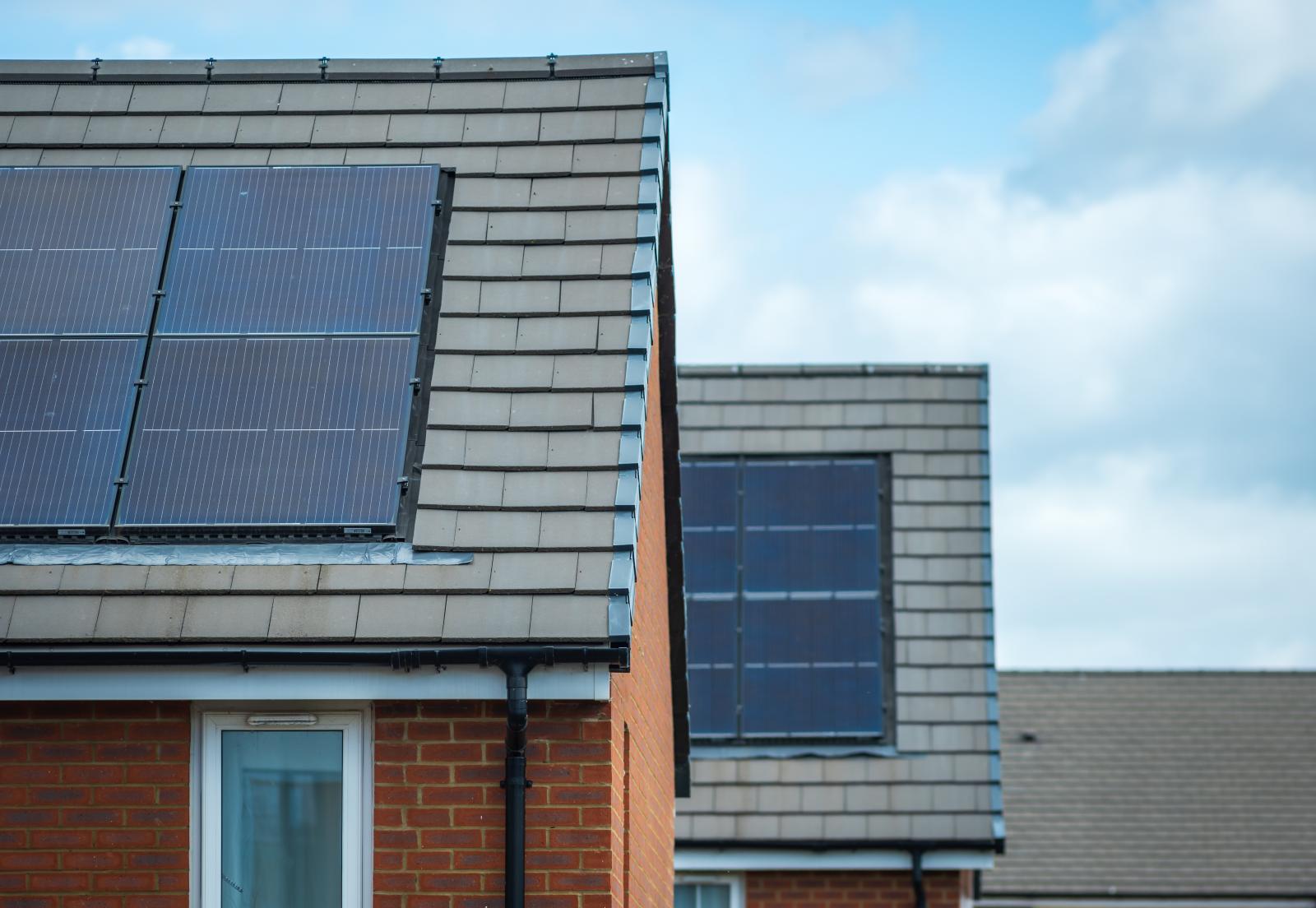

Hundreds of families living in social housing across the Liverpool City Region could benefit from lower energy bills thanks to a proposed £5.5 million investment in solar panels and battery storage systems.
The funding forms part of a wider housing retrofit programme worth almost £30 million, designed to improve energy efficiency, reduce carbon emissions and tackle fuel poverty across the region. The proposals will be considered by the Liverpool City Region Combined Authority at its meeting on 25 September.
If approved, the new Photovoltaic and Battery Fund will enable Registered Providers and housing associations to install rooftop solar panels and battery storage technology in social housing properties until August 2027, helping some of the region's most vulnerable households reduce their energy costs.
The solar fund sits alongside a broader package of retrofit investment aimed at creating warmer, more energy-efficient homes while supporting the Liverpool City Region's net zero ambitions.
Steve Rotheram, Mayor of the Liverpool City Region, said:
"At a time when local residents are rightly concerned about the cost of living, we want to help take some of the pressure off household bills. Over the last five years, we’ve invested more than £120 million in our communities to make homes warmer and cheaper to run, helping some of our most vulnerable families save hundreds of pounds on their energy bills.
"Through this pilot, we’ll open up the benefits of solar power to households who may previously have thought it was out of reach – helping families cut their energy costs while supporting our journey to net zero by 2035.
"Alongside this pilot, we’re continuing to invest millions of pounds in improving social housing and helping families to make their homes more energy efficient. We’re putting cleaner energy, warmer homes and lower bills within reach of the people who need them most – and doing our bit to save the planet in the process."
The latest investment package includes several significant funding streams designed to improve housing standards and energy performance across the city region:
- £13.9 million through the Warm Homes Social Housing Fund Integrated Settlement, extending support for social housing retrofit projects until March 2029.
- £4.411 million awarded through the same fund for Registered Providers within the Liverpool City Region consortium that manage homes outside the city region.
- £5.5 million through the new Photovoltaic and Battery Fund for the installation of solar panels and battery storage systems.
- £5 million for a Plug-in Solar Pilot targeting owner-occupiers experiencing fuel poverty, subject to approval by the Department for Energy Security and Net Zero (DESNZ).
- £4.5 million Warm Homes Local Grant funding application currently being considered by DESNZ.
The Combined Authority is also encouraging additional housing associations and Registered Providers to join its retrofit consortium following changes to funding arrangements under the Integrated Settlement programme. The move is expected to broaden access to funding and increase the number of residents who can benefit from energy-saving home improvements.
More than 40 Registered Providers have already expressed interest in accessing the new solar and battery funding programme. The initiative is expected to accelerate the rollout of renewable energy technologies in social housing, particularly for households most vulnerable to fuel poverty.
Beyond reducing energy costs, retrofit programmes are also delivering measurable health benefits. A recent PHIRST (Public Health Intervention Responsive Studies Teams) study examining the first 5,000 upgraded homes found that warmer housing conditions are helping reduce demand on health services, generating an estimated £500,000 annual saving for the NHS through fewer GP appointments and hospital admissions.
The retrofit programme is also providing a boost to the local economy. Contracts have been awarded to several Liverpool City Region businesses, including Wirral-based LMF, Knowsley-based Next Energy and Sefton-based Ecogee.
These projects are helping to create skilled green jobs, apprenticeships and training opportunities, supporting the region's growing low-carbon economy while improving living standards for residents.
Subject to Combined Authority approval, the latest funding measures are expected to play a key role in tackling fuel poverty, improving public health outcomes and accelerating progress towards the Liverpool City Region's target of achieving net zero by 2035.
Image credit: iStock