
A new policy to significantly reduce emissions from Liverpool City Council’s vehicle fleet will go before Cabinet next week, setting out a clear pathway towards cleaner and more sustainable council operations.
If approved, the policy will accelerate the transition away from fossil fuels by expanding the use of electric vehicles (EVs) and introducing Hydrogenated Vegetable Oil (HVO) across the fleet where full electrification is not yet possible.
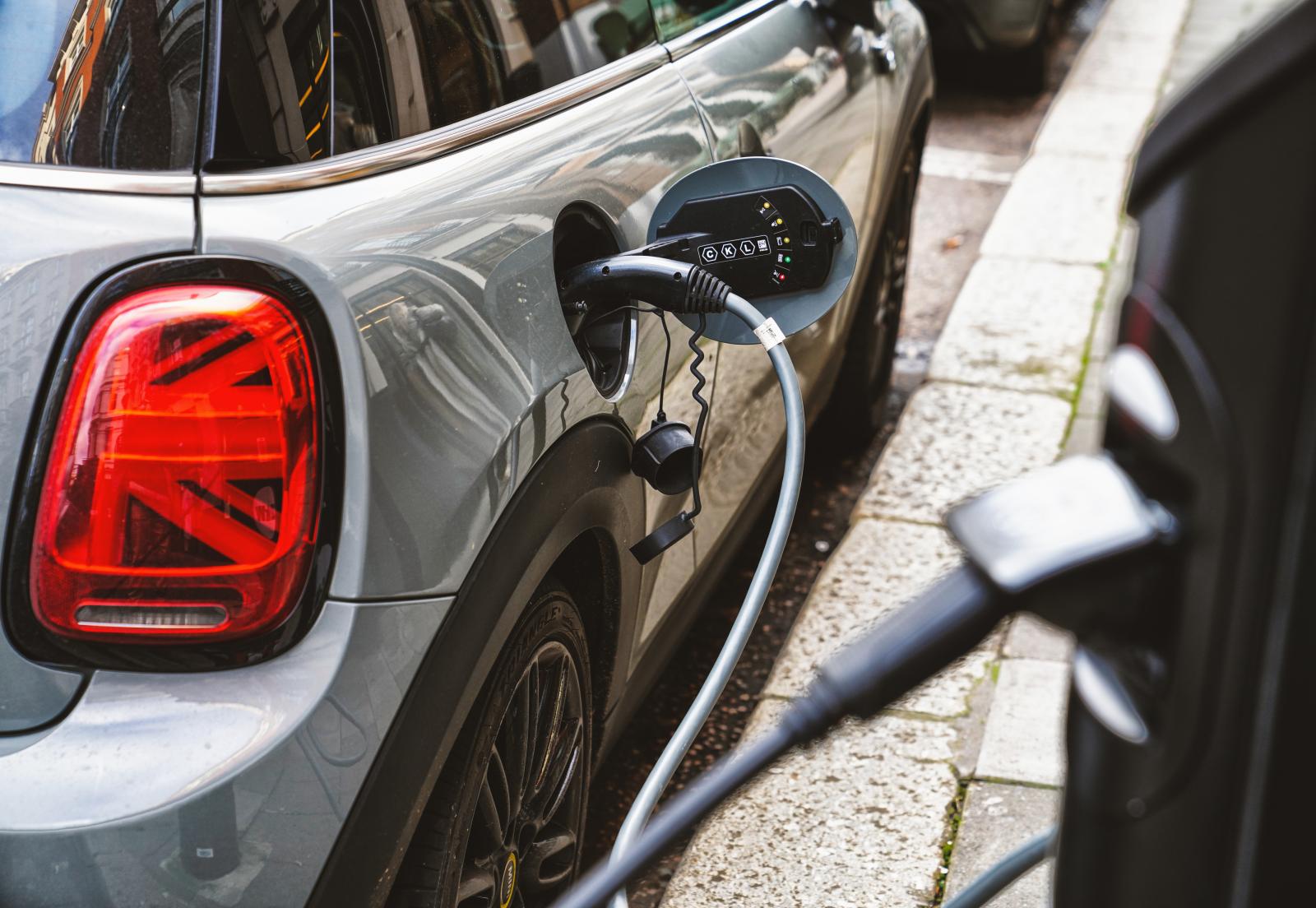
Under the proposed policy, council‑owned vehicles nearing the end of their life cycle will be replaced with electric alternatives wherever possible.
For vehicles that cannot yet be electrified, or those not due for renewal in the near future, the council will explore switching to HVO, a fossil‑free and renewable alternative to diesel fuel.
HVO is produced from waste materials such as used cooking oil, animal fats and vegetable oils, offering a lower‑carbon option that can be deployed quickly.
One of the key advantages of HVO is that any diesel vehicle can use it without modification, meaning the council can significantly reduce emissions across its existing fleet in a relatively short timeframe.
Liverpool City Council currently operates 568 vehicles, ranging from cars and vans to large HGVs used for services such as waste collection.
Research by the Department for Energy Security and Net Zero suggests that switching from diesel to HVO could reduce CO₂ emissions by up to 98 per cent, despite the fuel being slightly more expensive than conventional diesel.
The council’s fleet plays a significant role in its overall carbon footprint.
In 2019, emissions from council vehicles totalled 3,395 tonnes of CO₂, accounting for approximately 16.3 per cent of Liverpool City Council’s total emissions.
While progress has already been made — including 36 electric vehicles, 143 hybrids and 20 compressed natural gas (CNG) vehicles currently in operation, the new policy aims to ensure that every vehicle capable of switching to a sustainable fuel does so as early as possible.
The proposed measures represent a major step towards Liverpool City Council’s ambition to become net zero by 2030. They also support the council’s Air Quality Action Plan, which focuses on reducing harmful emissions in the city and improving public health outcomes for residents and visitors.
Liverpool City Council Leader Cllr Liam Robinson said:
“This policy is a major step forward in reducing the Council’s carbon footprint and improving the air quality in our city.
“This is about leading by example and showing that practical, affordable changes can help us reach our net‑zero ambitions while delivering cleaner, healthier neighbourhoods for everyone in Liverpool.”
By cutting pollution from its own operations, the council aims to lead by example while contributing to cleaner, healthier neighbourhoods.
The policy will be considered by Cabinet next week. If approved, officers will begin implementing the transition to EVs and HVO across the fleet in line with vehicle replacement schedules and operational needs.
Image credit: iStock