
As the UK endures soaring temperatures, the capital is experiencing its fifth heatwave of the summer, prompting renewed warnings from the Mayor of London over the growing impact of climate change and the increasing strain on emergency services.
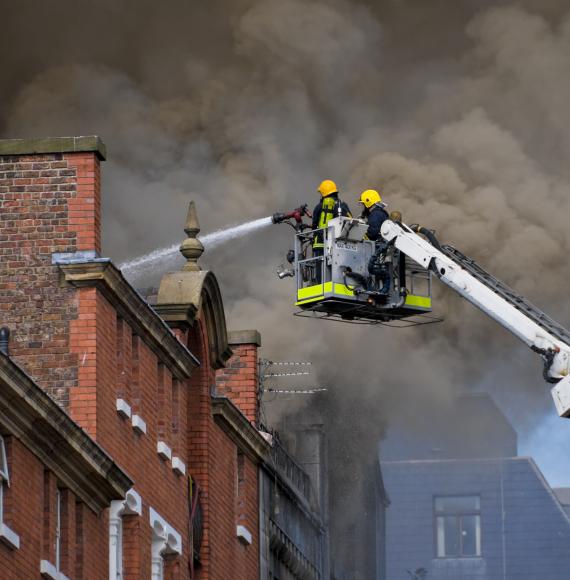
Extreme heat, prolonged dry conditions and a rising wildfire risk are creating significant challenges across London, with authorities warning that the capital's grasslands have become tinderbox dry following its third drought in five years. The city remains under an Amber Heat Health Alert, while hosepipe bans are in force and grassfires have become an almost daily occurrence.
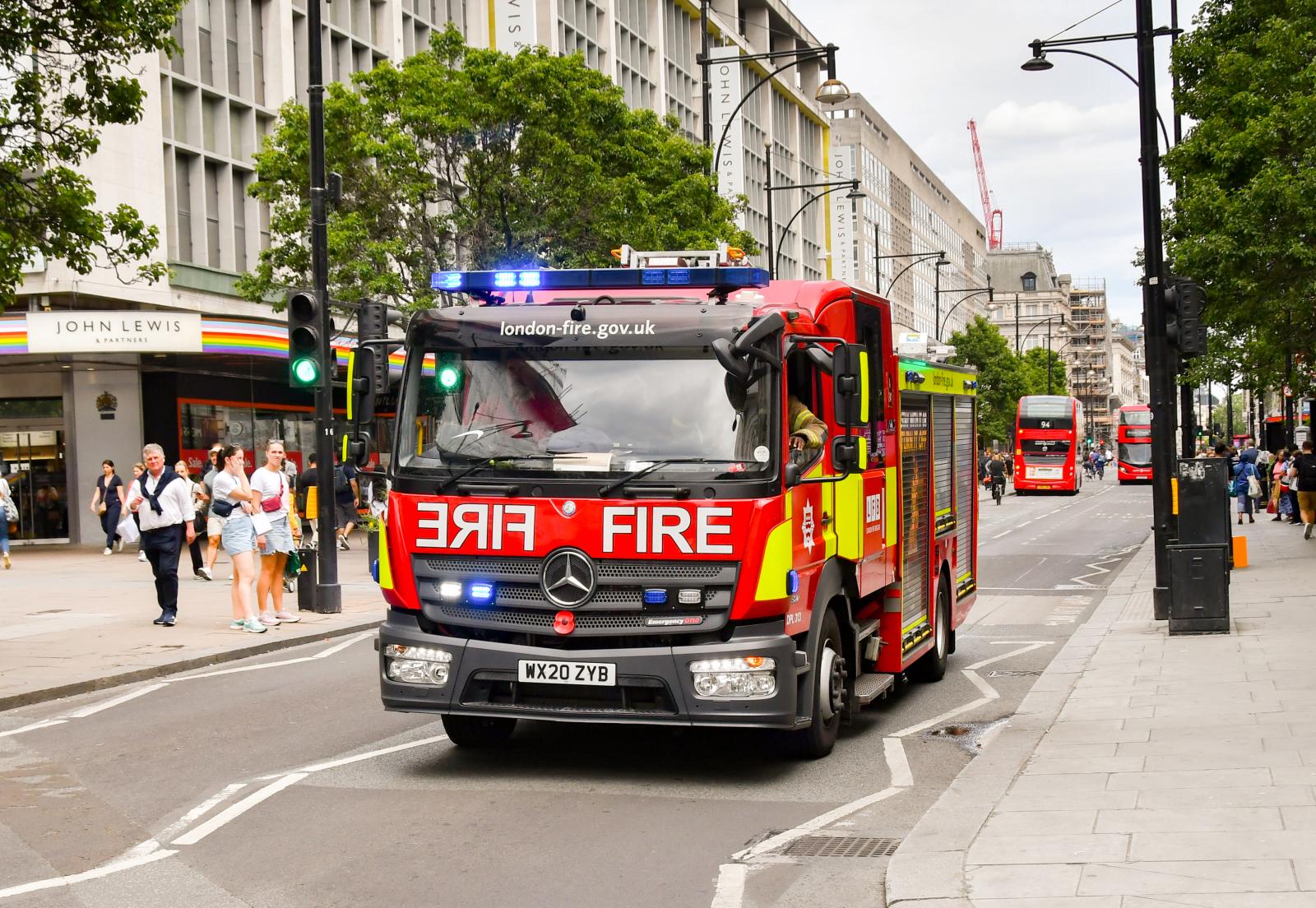
To strengthen London's resilience, the Mayor has provided an additional £8.9 million to the London Fire Brigade this financial year. The funding is supporting the deployment of specialist wildfire response vehicles, drones, advanced firefighting hoses and backpack blowers designed to protect communities, public spaces and critical infrastructure.
The investment comes at a time of unprecedented demand on frontline services. On 5 August alone, London Fire Brigade control officers handled more than 1,000 emergency calls, including over 200 related to grass fires.
Long periods of hot and dry weather mean even a small spark can quickly escalate into a major incident. While some wildfires occur naturally, most are caused accidentally or deliberately by members of the public. Recent incidents have threatened homes, businesses and transport networks, leading to evacuations, road closures and disruption to rail services.
July was a record-breaking month for the London Fire Brigade, which received 27,580 emergency calls, surpassing the previous record set during the 2022 heatwave. Firefighters attended 13,626 incidents during the month, making it the busiest period for the service in four years and one of the most demanding on record.
Alongside pressures on fire services, the extreme temperatures are also placing significant demands on healthcare providers. The London Ambulance Service received more than 403,000 emergency calls during June and July, around 25,000 more than during the same period last year.
During the June heatwave, ambulance crews responded to more than 53,000 emergency calls, exceeding demand levels experienced during the peak of the Covid-19 pandemic. In response, the service deployed an additional 600 ambulance crews across the capital to ensure patients received urgent care.
Health leaders are reminding residents to take the heat seriously by staying hydrated, avoiding strenuous activity during the hottest part of the day, and seeking advice through NHS 111 if they are feeling unwell. Anyone experiencing a medical emergency should continue to call 999 immediately.
Authorities are also warning about the dangers associated with open-water swimming. While designated swimming locations may be safe, many of London's waterways present serious risks. The tidal Thames, for example, is characterised by strong currents, cold water temperatures and heavy river traffic.
Between May and July, firefighters attended 28 water rescue incidents. Since 2020, more than 100 people have lost their lives through accidental drowning in London, including two teenagers who tragically drowned earlier this summer. Improving water safety awareness is a central part of the Mayor's Clean Rivers and Waterways Plan, particularly among younger Londoners.
Residents are being advised to:
- Be extra cautious around open water and understand the risks.
- Take steps to prevent wildfires and call 999 immediately if a fire is spotted.
- Stay hydrated and avoid strenuous activity during peak temperatures.
- Check on vulnerable family members, neighbours and friends, particularly older people, young children and those with underlying health conditions.
The latest heatwave also reinforces the need for long-term adaptation measures. Through the Heat Ready London programme, the Mayor has introduced the capital's first city-wide heat resilience plan. The initiative highlights that around one million London homes could currently be at high risk of overheating and calls for coordinated action to improve infrastructure resilience, retrofit buildings, expand access to cooling spaces and better protect those most vulnerable to extreme heat.
Mayor of London, Sadiq Khan, said:
“The climate crisis is on our doorstep right now and is having a devastating impact on our lives and the environment. The evidence is beneath our feet. All over London, once-green grasslands are burnt to a brittle crisp with record-breaking temperatures devastating our environment, creating dangerous wildfires and risking flash floods.
“Our firefighters and ambulance crews are working around the clock and continue to face extreme pressure this week as London experiences it’s fifth heatwave of the summer.
“We’ve been working with emergency services and other partners to ensure our city is ready to deal with extreme heat, wildfires and an increase in demand on vital services. But everyone needs to do their bit. This means looking after yourself and vulnerable friends and family, avoiding the potential dangers of open water, calling 999 if you see a wildfire, and following key advice from the London Fire Brigade and the London Ambulance Service to stay safe in the heat.”
Image credit: iStock