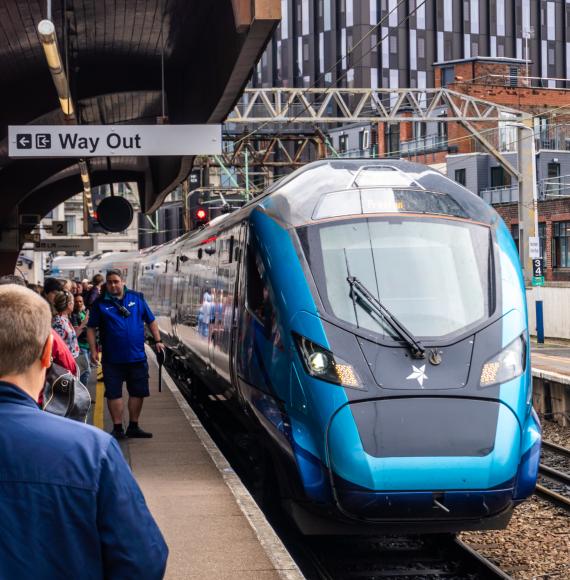
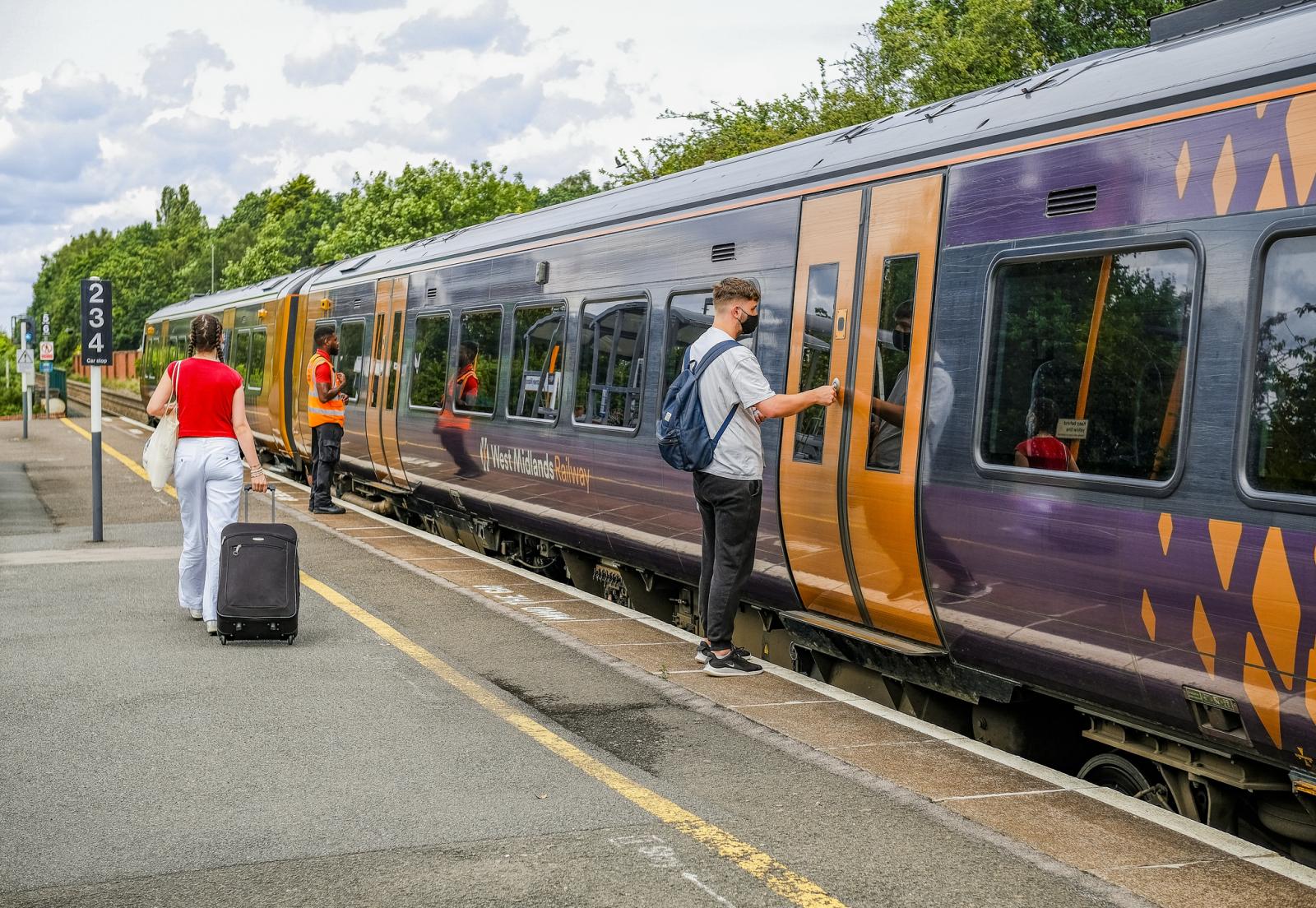

From Sunday 1 February 2026, half of all rail journeys that will ultimately fall under Great British Railways will be delivered by publicly owned operators, following the transfer of London Northwestern Railway and West Midlands Railway into public ownership.
The milestone represents a major step towards delivering a more integrated, reliable and passenger‑focused rail network, forming part of the government’s wider plan to simplify the system and put passengers at the heart of every decision.
The move brings both sides of the West Midlands Trains business into public hands:
- London Northwestern Railway, serving Liverpool, Birmingham and the West Coast Main Line to London Euston
- West Midlands Railway, operating across the region via Birmingham New Street and Birmingham Snow Hill
These services are central to the Midlands economy, connecting people to work, education and opportunity. Better transport links, the government argues, support more homes, more jobs and stronger regional growth from Liverpool to London.
WMT becomes the fourth operator to transfer into public ownership under the Passenger Railway Services (Public Ownership) Act, coinciding with the government’s decision to freeze rail fares for the first time in 30 years.
GBR will be responsible for coordinating the network end‑to‑end — track and train, cost and revenue — and will be directly accountable to passengers. The aim is to create a railway that is reliable, safe and more affordable, and which delivers long‑lasting improvements for future generations.
Passengers in regions already served by publicly owned operators are reportedly seeing benefits. According to government data, publicly owned Department for Transport (DfT) operators perform better on punctuality and cancellations compared with private operators yet to transfer.
Examples of improvements under public ownership include:
- South Western Railway quadrupling the number of new trains in service, improving comfort and reducing cancellations
- Nationwide ticket acceptance across publicly owned operators during disruption, at no extra cost to passengers
- Northern investing in state‑of‑the‑art driver training simulators and planning its largest ever fleet upgrade, with up to 450 new trains
These enhancements are helping to modernise the network and improve reliability for millions of passengers.
West Midlands Trains now joins a growing list of publicly run services including Greater Anglia, c2c, Northern, TransPennine Express, Southeastern, LNER and South Western Railway, all overseen by DfT Operator Limited.
The next major transfer will be Govia Thameslink Railway on 31 May 2026, followed by Chiltern Railways and Great Western Railway, with final dates to be confirmed by the Secretary of State for Transport.
The government expects that all 14 passenger operating companies planned to run under Great British Railways will be in public ownership by the end of 2027.
Transport Secretary Heidi Alexander said:
“From this Sunday, the thousands of passengers who travel with London Northwestern Railway and West Midlands Railway will be using services that are owned by the public and run with their interests at heart.
“We’re working hard to reform a fragmented system and deliver a reliable railway that regenerates communities, rebuilds the trust of its passengers and delivers the high standards they rightly expect.”
The transfer of West Midlands Trains comes as legislation establishing Great British Railways continues its passage through Parliament. Once implemented, it will pave the way for a simpler, unified and publicly accountable railway system designed to deliver reliable, safe and affordable journeys for all.
Image credit: iStock