
Greater Manchester’s homicide rate has fallen to its lowest level in more than three decades, with new figures showing a 32% drop in homicides in 2025, the lowest since records began in 1990. Knife crime and other serious violent offences have also declined sharply, marking a major success for the city‑region’s long‑term strategy to reduce violence and keep communities safe.
The data, released today by Greater Manchester’s Violence Reduction Unit, shows that the region’s homicide rate is now below the national average and lower than similar urban areas across the UK.
The VRU, which is a multi‑agency partnership spanning policing, health, education, probation, local councils and the voluntary sector, said the results demonstrate the impact of combining strong enforcement with early‑intervention work that tackles the root causes of violence.
Alongside the significant fall in homicide, the VRU confirmed:
- Knife crime recorded by Greater Manchester Police fell by 15% over the last year
- Hospital admissions involving sharp objects dropped by 4%
- Personal robbery fell by 17%
- A&E attendances due to assault decreased by 3%, including a 9% drop among 10–24‑year‑olds
- Ambulance callouts for assault fell by 9%
The VRU said the reductions show fewer people are being seriously harmed, and that emergency services are facing less acute demand.
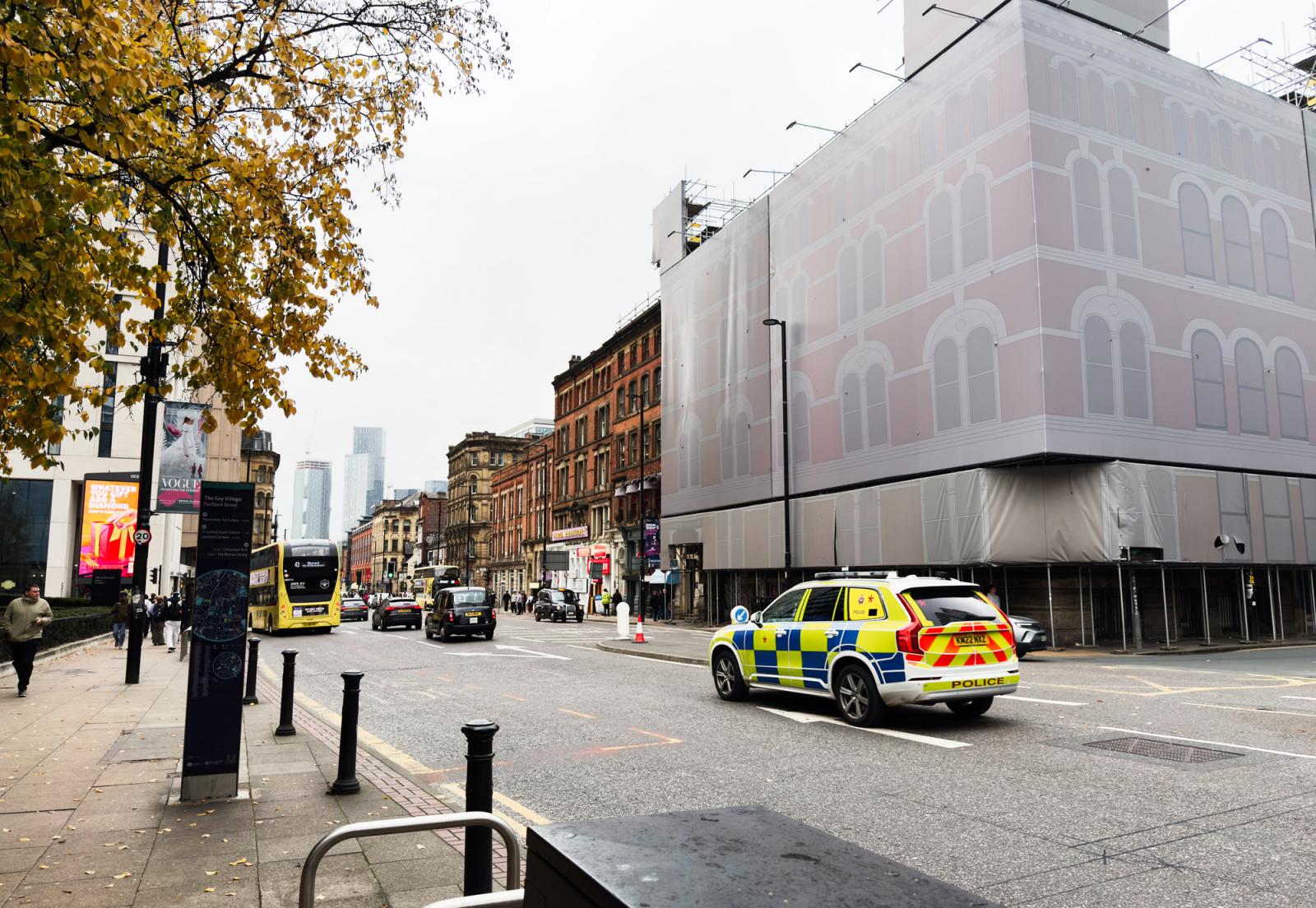
The VRU’s work with Greater Manchester Police has played a key role in removing weapons from the streets, supporting targeted operations, and disrupting violent crime hotspots across the city‑region.
Every borough in Greater Manchester now has active community‑led programmes to prevent violence. Alliances of voluntary, community, faith and social enterprise (VCFSE) organisations are helping ensure interventions reach those most at risk.
These programmes are already showing clear results. New local statistics reveal:
- Violence with injury fell by 26% in New Bury (Bolton)
- 35% drop in Glodwick (Oldham)
- 11% reduction across Ordsall and Langworthy (Salford)
The VRU’s approach focuses on prevention, early intervention and supporting young people before harm escalates. A new multi‑agency panel identifies young people who come to police attention for violence at the earliest possible stage.
Those referred for support via the panel show:
- 64% reduction in suspected offending within 3 months
- 65% reduction in the severity of suspected offending
Interventions include sports programmes, youth work, school‑based support, mentoring, and specialist services for victims in hospitals and police stations.
Greater Manchester Mayor Andy Burnham said:
“These latest figures show the real progress being made in tackling violent crime and making our streets safer.
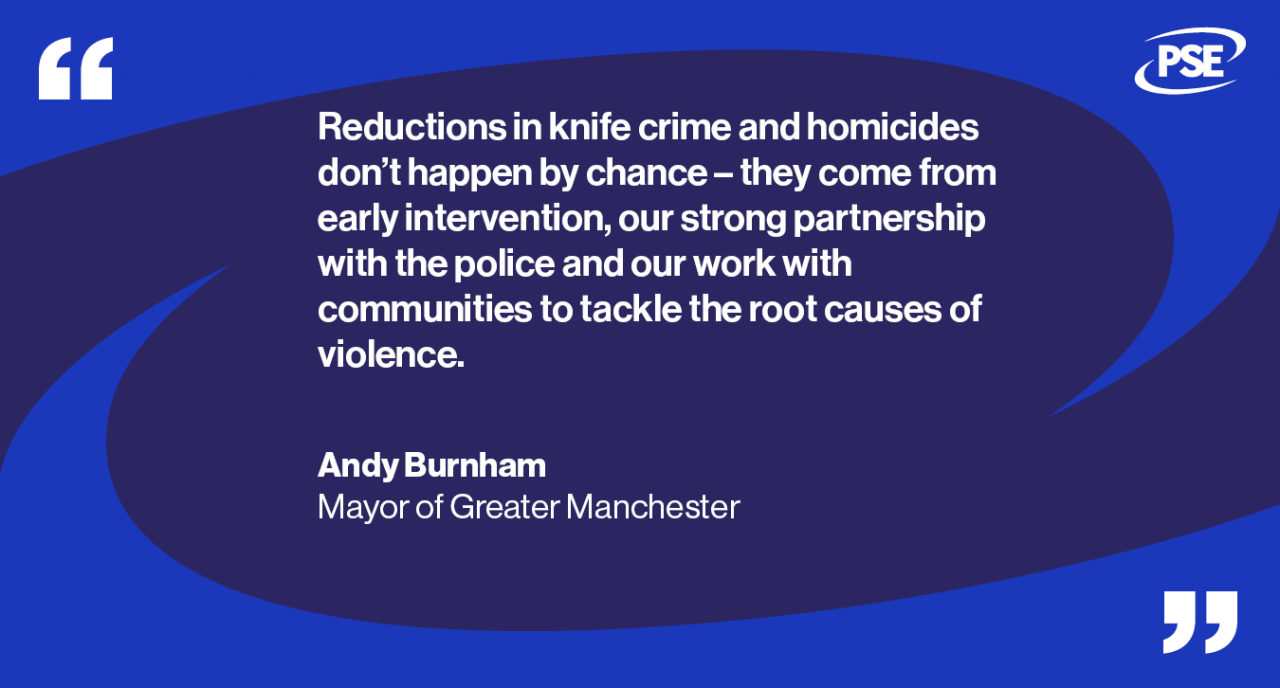
“Reductions in knife crime and homicides don’t happen by chance – they come from early intervention, our strong partnership with the police and our work with communities to tackle the root causes of violence.
“I’ve been lucky enough to meet some of the inspiring young people who have been helped by the Violence Reduction Unit and are now thriving as young adults who play an active role in their community. To me, that is what this programme is all about and we’ll keep doing everything we can to protect young people and keep our communities safe.”
Greater Manchester’s proactive model is now considered national best practice. The Government’s Young Futures programme is rolling out similar approaches across the UK, informed by the success of the VRU’s combined prevention-and-enforcement model.
Image credit: iStock