

The Government is set to significantly increase the number of face-to-face benefit assessments as part of its wider programme of welfare reform, aimed at reducing costs, improving decision-making and supporting more people into work.
The move delivers on a commitment outlined in the Pathways to Work Green Paper and marks a major shift away from the virtual assessment model introduced during the COVID-19 pandemic. Under contracts agreed by the previous administration, 80% of assessments were required to take place remotely.
As part of the changes, the proportion of in-person assessments for Personal Independence Payment (PIP) will rise from just 6% of all assessments in 2024, equating to around 57,000 cases, to 30%. Work Capability Assessments (WCA) will also see a substantial increase, rising from 12% of assessments in 2024, or around 74,000 cases, to 30%.
Ministers say the reforms will help address long-standing issues within the welfare system while ensuring support remains targeted at those who need it most.
A key element of the plan involves extending the period between PIP award reviews. Currently, some claimants can be reassessed after as little as nine months, despite most reviews resulting in no change to entitlement.
Under the new arrangements, most PIP claimants aged 25 and over will receive a minimum three-year award before review. If they remain eligible following reassessment, the review period will then extend to five years.
The Government argues that reducing the number of routine reviews will free up healthcare professionals to carry out more face-to-face assessments and increase the volume of Work Capability Assessment reassessments. Officials say reassessments remain important in reflecting how an individual's health condition or disability may change over time.
The reforms are expected to generate savings of £1.9 billion for taxpayers by the end of the 2030/31 financial year.
Alongside the assessment changes, the Government is also introducing wider employment support initiatives targeted at people with long-term health conditions and disabilities. These include the Connect to Work programme, which aims to help 300,000 people into employment by the end of the current Parliament, and the redeployment of 1,000 work coaches to provide tailored support.
Pat McFadden, Secretary of State for Work and Pensions, said:
“We’re committed to reforming the welfare system we inherited, which for too long has written off millions as too sick to work.
“That is why we are ramping up the number of assessments we do face-to-face and taking action to tackle the inherited backlog of people waiting for a Work Capability Assessment.
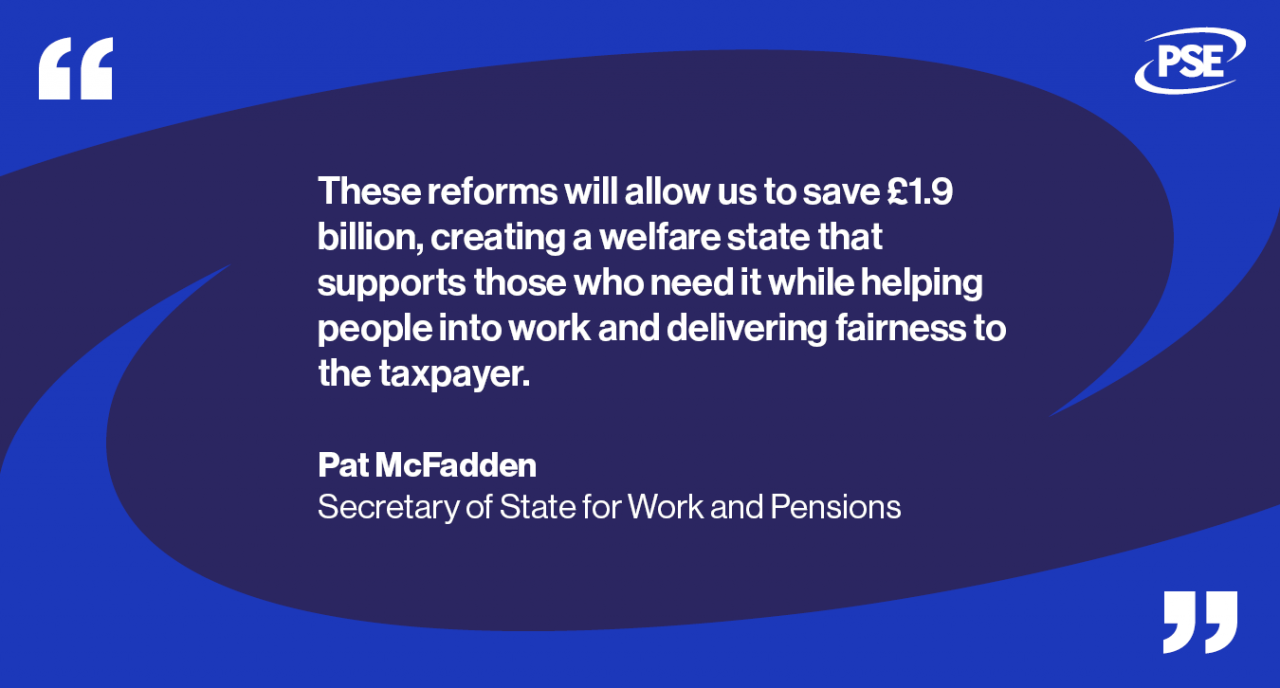
“These reforms will allow us to save £1.9 billion, creating a welfare state that supports those who need it while helping people into work and delivering fairness to the taxpayer.”
The operational changes are scheduled to come into force from April 2026 and will coincide with broader reforms to Universal Credit, designed to narrow the difference between payments received by unemployed claimants and those receiving support due to long-term illness.
The changes will operate separately from the ongoing Timms Review, which is examining the future role of PIP, the assessment process and eligibility criteria, with a focus on helping disabled people achieve improved health outcomes, greater independence and higher living standards.
Together, the package forms part of the Government's wider "Get Britain Working" agenda, described as the most ambitious programme of employment reform in a generation.
Image credit: iStock