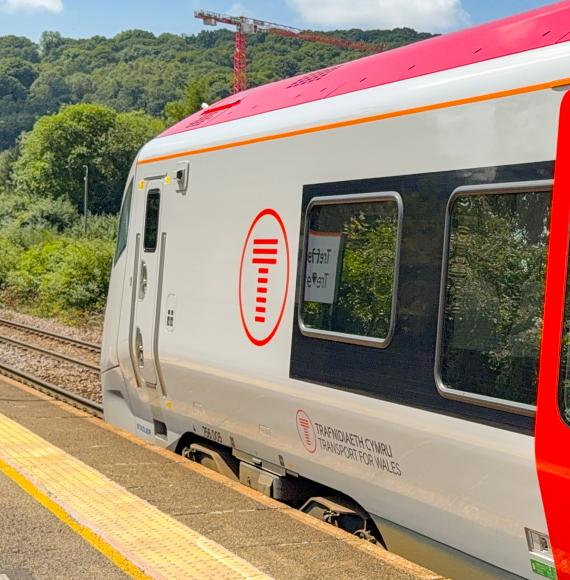
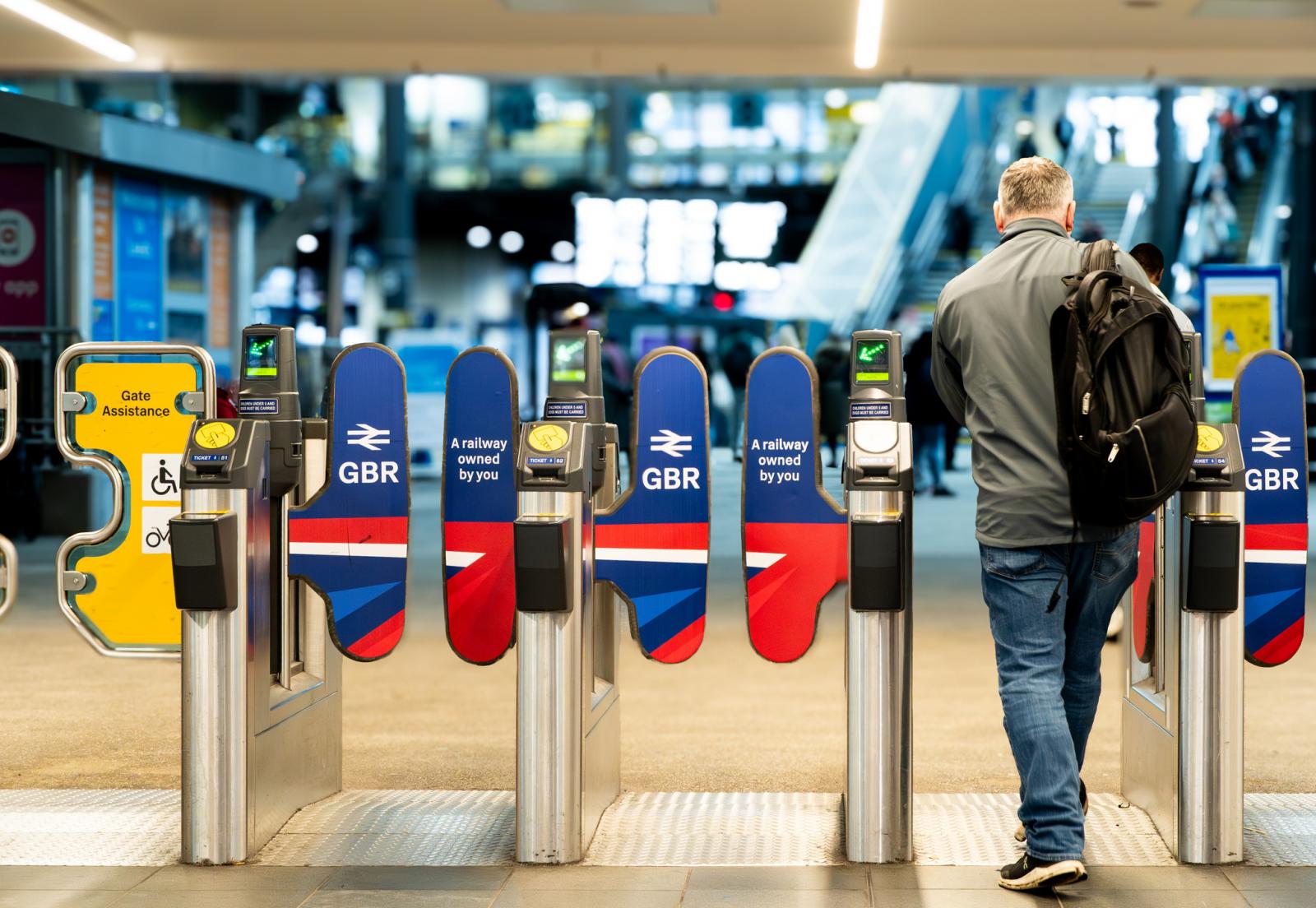

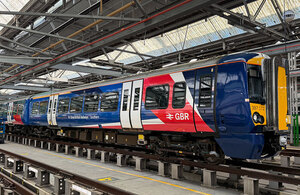
A landmark moment for Britain’s railways has been marked with the unveiling of the first train carrying Great British Railways (GBR) branding, signalling the accelerating transition to a unified, publicly owned rail network.
Unveiled in Brighton, the striking new red, white and blue livery will be visible to passengers travelling across the south and south‑east over the long weekend. From seaside day trips to staycations, travellers may already spot the first GBR‑branded service operating on the network.
The train, a Class 387 operated by Southern, has been launched ahead of Govia Thameslink Railway (GTR) entering public ownership next Sunday, 31 May 2026. The move will bring Britain’s largest train operator into the publicly owned network just ahead of the summer travel season.
It also comes as South Western Railway approaches the first anniversary of entering public ownership, marking a decisive shift away from almost 30 years of fragmentation and inefficiency under rail privatisation.
A decisive step towards a unified public railway
Once GTR transfers into public ownership, around eight in ten passenger rail journeys that Great British Railways will ultimately be responsible for will take place on publicly owned services.
That means millions of passengers travelling this summer for holidays, days out and family visits will increasingly be using services run in the public interest, with accountability to passengers, freight customers and taxpayers.
Publicly owned operators are already outperforming those yet to transfer, with better punctuality and fewer cancellations on average. Passengers are also benefiting from the first rail fare freeze in 30 years, saving many hundreds of pounds on season tickets.
The GBR brand will now begin appearing gradually across stations, trains and staff uniforms, ensuring value for money for taxpayers while signalling the government’s commitment to a single, joined‑up railway identity.
Transport Secretary Heidi Alexander said:
“The unveiling of the first GBR-branded train in Brighton today makes the future of Britain’s railways a reality.
“It represents all of the work being done by staff up and down the country to fundamentally reform our railway.
“This isn’t just a paint job – it’s an important step towards building a more joined up, publicly owned railway that puts passengers first, delivers better services and leaves the frustrations and fragmentation of the past behind.”
The GBR brand will also feature on the forthcoming GBR ticketing app, designed as a one‑stop shop where passengers can check train times, buy tickets at the best available prices with no booking fees, and book Passenger Assist.
Together, these changes aim to make rail travel simpler, smoother and easier to navigate, whether for commuting, weekend breaks or spontaneous summer travel.
Measurable improvements already being delivered
As rail reform continues, passengers are already seeing tangible benefits, including:
- More services: An additional 76,000 seats per week in the December timetable uplift, including 60,000 on LNER services and over one million journeys on Northern’s new Northumberland Line
- Strong performance: Publicly owned c2c and Greater Anglia remain among the best‑performing operators, with over 90% of trains arriving within three minutes of schedule and cancellations below 2%
- Better onboard experience: Since entering public ownership, South Western Railway has more than quadrupled the number of new Arterio trains in service
- Greater flexibility: Passengers can now use another publicly owned service up to two hours either side of a cancelled train at no extra cost
Next operators to transfer
From 31 May 2026, Thameslink, Great Northern, Southern and Gatwick Express services will enter public ownership. GTR will join West Midlands Trains, Greater Anglia, c2c, Northern, TransPennine Express, Southeastern, LNER and South Western Railway, all currently managed by DfT Operator Limited (DFTO).
Chiltern Railways will transfer on 20 September 2026, followed by Great Western Railway on 13 December 2026. The full transition to public ownership is expected to be completed by the end of 2027.
Together, these changes represent one of the most significant reforms of Britain’s railways in a generation, with Great British Railways at the centre of a system designed to support economic growth, unlock housing and jobs, and deliver a better experience for passengers.
Image credit: iStock and the UK Government