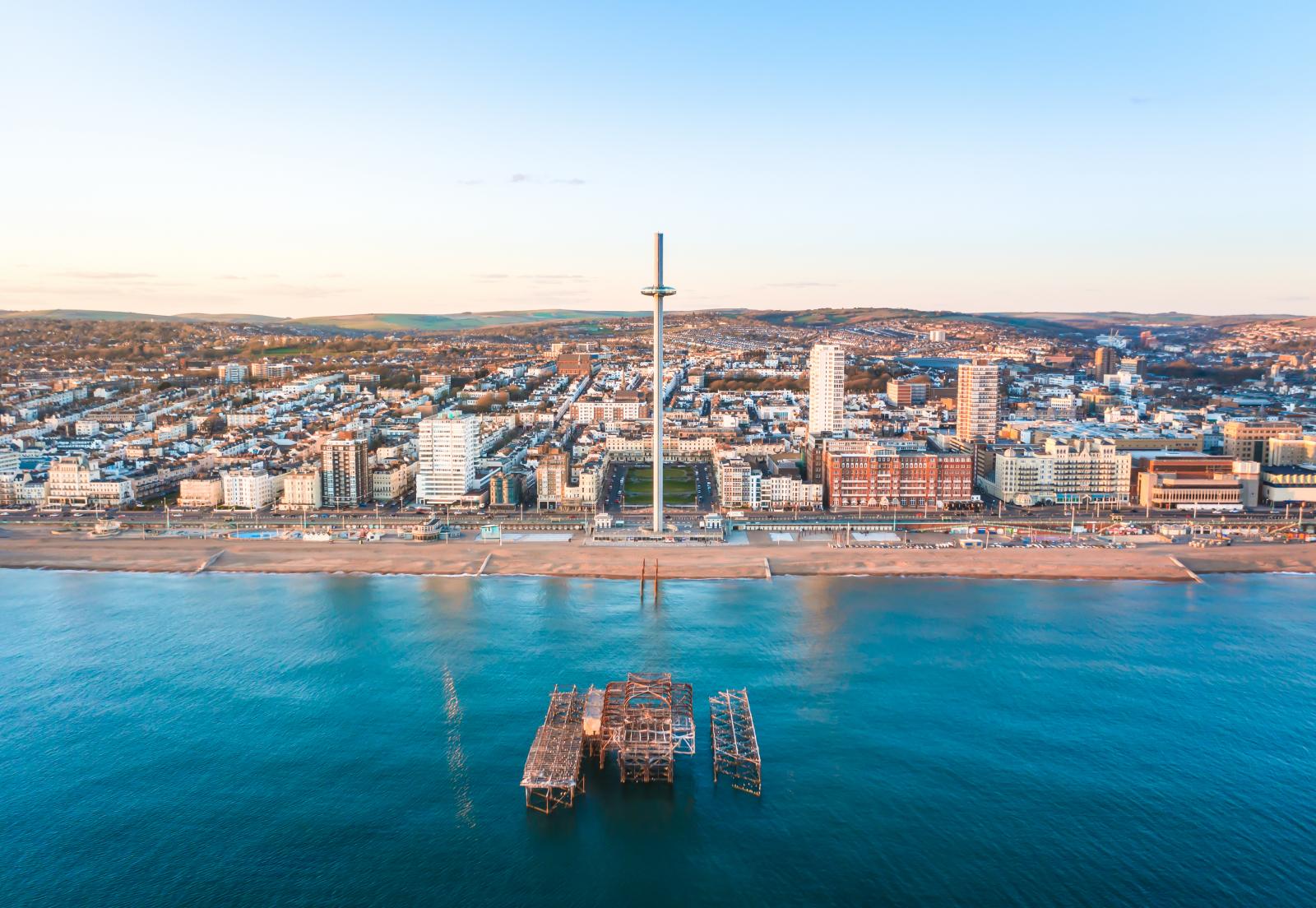

Brighton & Hove City Council has published its draft budget proposals for 2026/27, outlining a clear strategy to confront the city’s worsening temporary accommodation crisis while addressing what leaders describe as the most challenging financial position the council has ever faced.
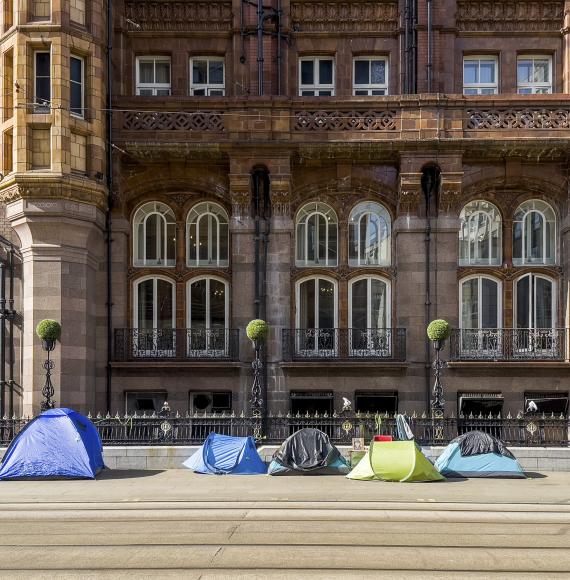
Temporary accommodation continues to be the council’s single largest financial pressure, with costs forecast to rise by £11 million this year due to soaring demand and ongoing reliance on expensive emergency placements such as B&Bs. The council says this model is “financially unsustainable” and often leads to poorer outcomes for residents.
The draft budget sets out a wide‑ranging programme of reform to stabilise services, increase income, and invest in local priorities while delivering long‑term improvements.
A central focus of the budget is a major transformation programme designed to reduce the number of households placed in nightly emergency accommodation and increase the availability of affordable temporary housing.
Key proposals include:
- Expanding the supply of more affordable temporary accommodation
- Reducing per‑unit costs and improving contract management
- Strengthening homelessness prevention work
- Helping households move more quickly into long‑term stable housing
Together, these measures are expected to deliver over £5 million in savings while improving outcomes for residents at risk of homelessness.
The draft budget proposes a range of measures to safeguard and improve services while generating greater financial resilience, including:
- Adult social care reforms: managing provider uplifts, strengthening reviews and expanding prevention and reablement
- Children’s social care changes through the Families First transformation to reduce reliance on high‑cost placements
- Rationalising the council’s operational estate
- Increasing commercial income through new services and opportunities
- Delivering savings through better procurement and contract management
- Improving productivity through digital transformation
Despite significant financial pressures, the draft budget continues to invest in projects and services directly shaped by local priorities, including:
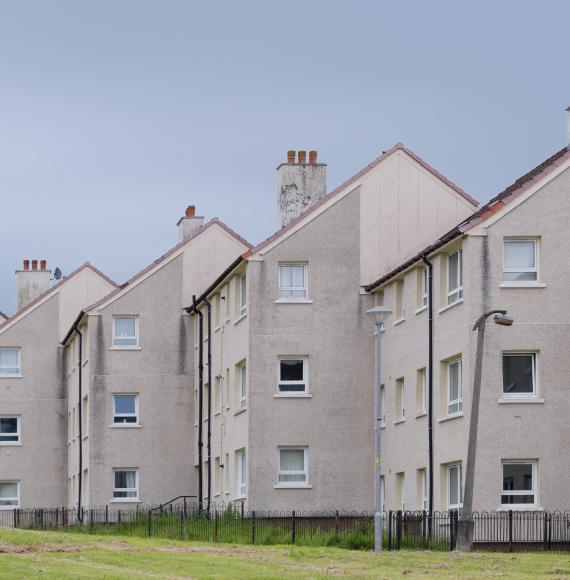
- Building new council homes through the Housing Revenue Account
- Additional capital investment to expand temporary accommodation
- Further improvements to housing repairs and maintenance
- Continued delivery of Families First and early years programmes
- Work to improve waste and recycling performance
- Extending mental health counselling in secondary schools
- Developing new supported living accommodation at Brickfields
There are also ambitious plans to redevelop the Brighton Centre, capitalising on the city’s strong reputation as a cultural and live‑music hub.
Deputy Leader and Cabinet Member for Finance and City Regeneration at Brighton City Council, Cllr Jacob Taylor, said:
“This is not just about financial management. It is about ensuring people can stay in the city they call home, close to their families, schools and support networks.
“No one should have to move miles away because the system is under strain.
“We are investing in new social homes, reducing our reliance on expensive private rentals, and ensuring families have safe, stable places to live. This budget puts housing first and helps to fix a system that has been failing residents.
“Our proposals set out a clear and determined plan to increase the supply of affordable homes and support people into long-term stability. We are asking the government to work with us, because tackling the housing crisis and the budget must go hand in hand.”
To help manage the scale of financial pressure in 2026/27, the council has requested Exceptional Financial Support from the government. EFS would provide temporary flexibility to borrow additional funding to stabilise the budget while wider transformation work continues.
The council stresses that EFS is a temporary measure, designed to create the headroom needed to deliver long-term savings and reforms.
Alongside the draft budget, the council has published a comprehensive Medium Term Financial Strategy setting out plans to deliver financial sustainability over the next four years.
Brighton & Hove will also continue lobbying government for greater borrowing flexibility, more freedom to use existing resources and accelerated delivery of affordable homes, as well as reduced dependence on emergency accommodation.
The final budget will be debated and considered by councillors later in February.
Image credit: iStock