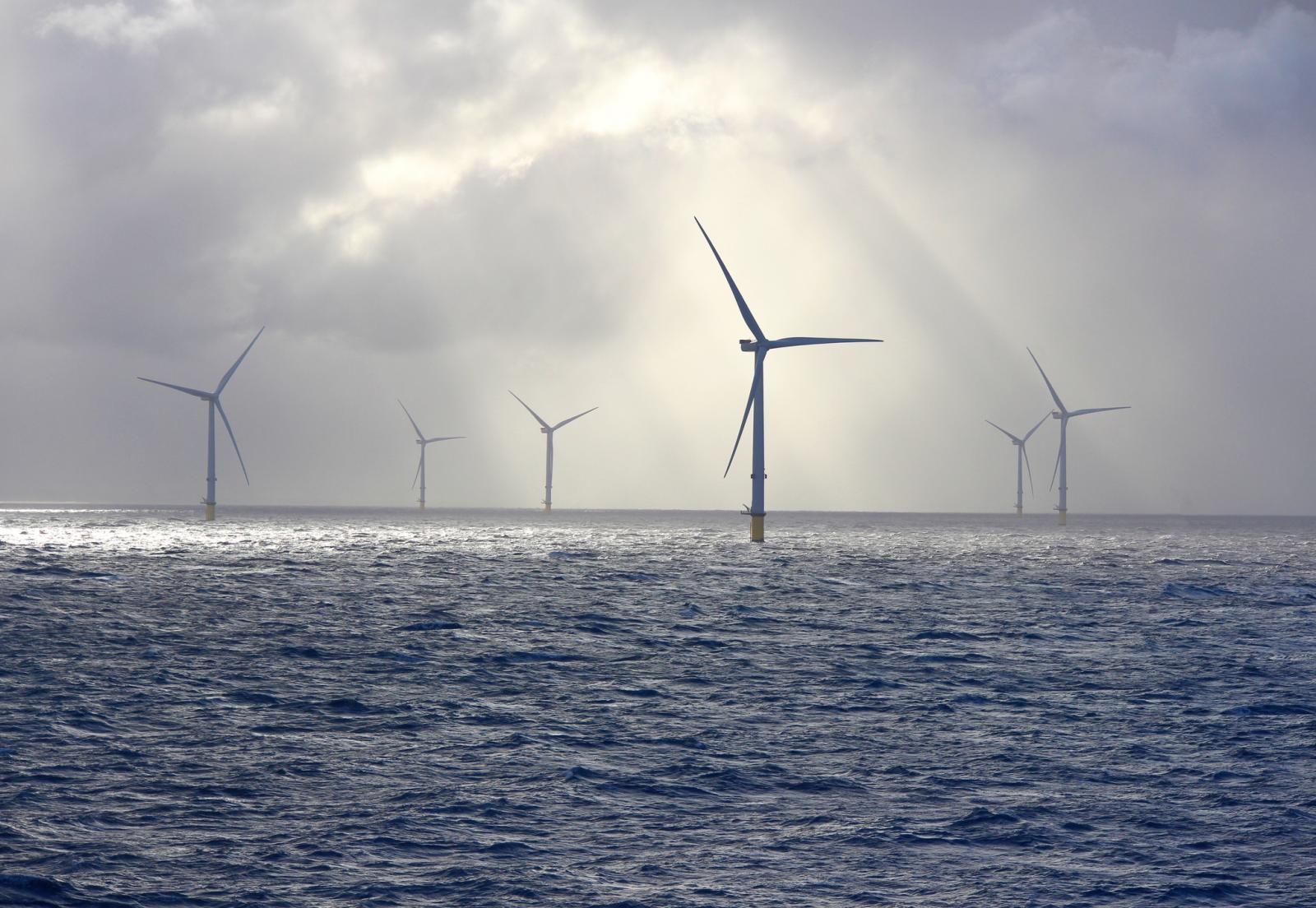

Britain has taken a monumental step towards energy independence, securing a record-breaking 8.4GW of offshore wind capacity in its latest renewables auction – the largest single procurement of offshore wind in UK and European history.
The Contracts for Difference Auction Round 7 (AR7) result marks a dramatic turnaround from the previous government’s failed AR5, which delivered no projects. This success puts the UK firmly on track to meet its clean power mission by 2030, generating enough electricity to power 12 million homes.
New figures confirm offshore wind is 40% cheaper than new gas generation, with costs averaging £90.91/MWh (£65.25 in 2012 prices) compared to £147/MWh for gas-fired power stations.
The auction will unlock £22 billion in private investment, supporting 7,000 jobs and driving growth across the UK’s industrial heartlands.
Major projects include:
- Dogger Bank South (Yorkshire) and Norfolk Vanguard – among the world’s largest offshore wind farms
- Berwick Bank (North Sea) – Scotland’s first new project since 2022 and the largest planned globally
- Awel Y Mor – Wales’s first offshore wind contract in over a decade
- Floating wind projects Erebus (Celtic Sea) and Pentland (Scotland), backed by Great British Energy and the National Wealth Fund
Energy Secretary Ed Miliband said:
“With these results, Britain is taking back control of our energy sovereignty. This is a historic win for those who want Britain to stand on our own two feet, controlling our own energy rather than depending on markets controlled by petrostates and dictators.
“It is a monumental step towards clean power by 2030 and the price secured in this auction is 40% lower than the alternative cost of building and operating a new gas plant.
“Clean, homegrown, power is the right choice for this country to bring down bills for good and this auction will create thousands of jobs throughout Britain.”
This milestone strengthens Britain’s position as a global leader in clean energy, reducing reliance on volatile fossil fuel markets and cutting bills for households. The government has already announced measures to remove £150 from energy bills from April, alongside this historic investment in homegrown power.
Image credit: iStock