
Greater Manchester Mayor Andy Burnham has outlined proposals to drive further improvements to public transport and the Greater Manchester Fire and Rescue Service as part of his Mayoral budget plan for the coming year.
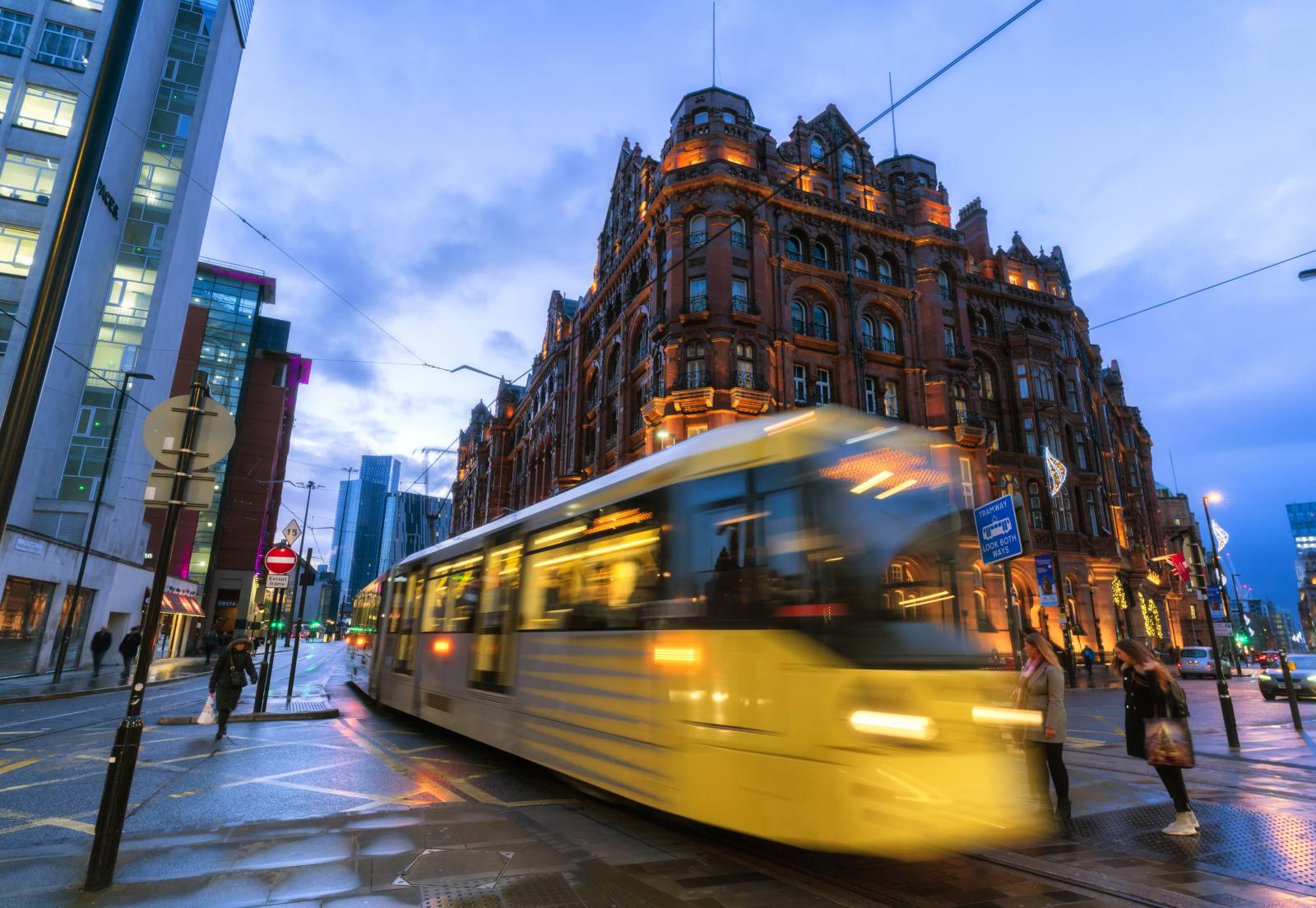
The proposals build on the successful delivery of the Bee Network, Greater Manchester’s fully integrated public transport system, which was delivered on time and within the original £134.5 million budget secured to bring buses back under local control.
The latest funding plan aims to deliver value for money for council taxpayers by helping to keep bus fares affordable while supporting further Bee Network improvements. These include new routes, free all‑day bus travel for older and disabled people, and enhanced transport safety measures.
One of the mayor’s key transport priorities is accessibility and affordability. Contributions through the Mayoral precept help sustain measures such as the £2 bus fare cap across the network and reduce financial pressure on local councils.
Since its launch, the Bee Network has exceeded expectations, creating a cleaner, more reliable and low‑fare transport system. By 2030, 90% of people in Greater Manchester are expected to live within a five‑minute walk of a bus or tram operating at least every 30 minutes.
The Mayoral and fire precepts, which form part of council tax bills, fund essential services across Greater Manchester. These include GMFRS, free bus travel for 16–18‑year‑olds through the Our Pass scheme, and 600 beds per night for rough sleepers delivered through A Bed Every Night.
If approved, from April, the Mayoral precept for a Band D property would increase by £19 per year, while the fire precept would increase by £6 per year. As most homes in Greater Manchester fall into Band A or B, many residents would pay less, with the Mayoral precept for a Band A property increasing by £12.67 per year.
The proposed precept increase will help fund several major Bee Network commitments in 2026:
- Safer travel across public transport – Building on the success of TravelSafe LiveChat, a UK‑first service allowing passengers to discreetly report safety concerns to Greater Manchester Police, with expanded GMP provision across all transport modes.
- Free all‑day bus travel for older and disabled people – Following a successful 2025 trial, pre‑9.30am restrictions will be permanently removed on all Bee Network bus services.
- New and improved bus routes – Including service extensions and new routes where demand supports them. Recent improvements include the new all‑electric number 30 service connecting the Trafford Centre, Trafford Park, Salford Quays and Manchester city centre.
Andy Burnham, Mayor of Greater Manchester, said:
“The money people pay through the precept is helping us bring positive change to Greater Manchester, with policies that help people manage the cost-of-living. It helped us deliver Bee Network – a ground-breaking bus reform programme that we have delivered on time and within budget, plus a host of other major public transport improvements. In the last year we’ve introduced free all-day bus travel for older and disabled people, launched new and improved bus services, such as the number 30, and we’ve introduced TravelSafe LiveChat, a game-changer for improving safety for Bee Network passengers.
“Our intention with our fire and police services to deliver that same ambition and value for money that we’ve shown with transport, making sure the benefits are felt across all our boroughs. Economic growth is transforming our city region and giving us opportunities that people could not have imagined 30 years ago, and it’s crucial that our public services are not left behind.”
The budget proposals also support further investment in Greater Manchester Fire and Rescue Service, which was rated one of the best performing and most improved fire services in the country in 2024 by His Majesty’s Inspectorate.
Since 2017, GMFRS has increased firefighter numbers to 1,200, added two new appliances, and invested in greener, state‑of‑the‑art facilities. A £51 million programme of new fire stations is underway, with the Blackley Community Fire Station opening in December and additional stations in Whitefield and Stockport Central due in 2026.
The service has also responded to major incidents, including flooding, large‑scale fires, and the terror attack at Heaton Park Synagogue, while continuing vital prevention work through thousands of home fire safety checks each year.
Despite these achievements, GMFRS faces increasing pressures, including building safety inspections following the Grenfell Tower inquiry and the growing impact of the climate emergency, which is driving more frequent and prolonged incidents such as flooding.
The mayor’s budget proposals aim to ensure both the Bee Network and GMFRS have the funding needed to continue delivering essential services that residents and businesses rely on every day.
Image credit: iStock