Culture and heritage assets are an important part of the identity of towns and cities. They tell the stories of the communities that built them, connect people with the past and contribute to a sense of pride and belonging.
For local authorities, however, preserving these assets is about more than protecting historic fabric. The challenge is ensuring culture and heritage buildings remain relevant, accessible, sustainable and financially viable while retaining the character and qualities that make them significant.
Preservation and modernisation can sometimes be viewed as competing priorities. In practice, carefully planned investment can bring the two together.
For public sector organisations, reinvesting in, and adapting, culture and heritage assets can help them continue to support culture, learning, wellbeing and community connection, while contributing to wider regeneration priorities.
More than bricks and mortar
A building that is admired but underused can be difficult to sustain. One that provides space for exhibitions, learning, events and community activity has a clearer purpose and a stronger future.
Achieving this can require investment in everything from essential maintenance and accessibility to energy efficiency and more flexible internal spaces. The challenge is ensuring these improvements do not compromise the qualities that give the building its significance.
The answer is not simply restoration. It is considered adaptation that responds to modern community needs.
Culture and heritage in practice
Projects across the UK demonstrate how culture and heritage assets can be adapted for contemporary use while retaining their distinctive character.
For example, the recent transformation of the Nicholson Institute in Leek, on behalf of Staffordshire Moorland District Council, demonstrates this balance. The Grade II* listed building, originally built in 1884, has long served as a cultural and community hub, housing the library and museum. Its £3.8 million refurbishment is preserving its historic features while improving accessibility, functionality, sustainability and the quality of its museum and library spaces.
This forms part of the wider investment in Leek town centre, alongside the refurbishment at Leek market halls and the leisure redevelopment at MyActive Leek. Together, these projects form a shared vision that celebrates the town’s identity, strengthens its cultural offer and creates welcoming spaces for the local community.
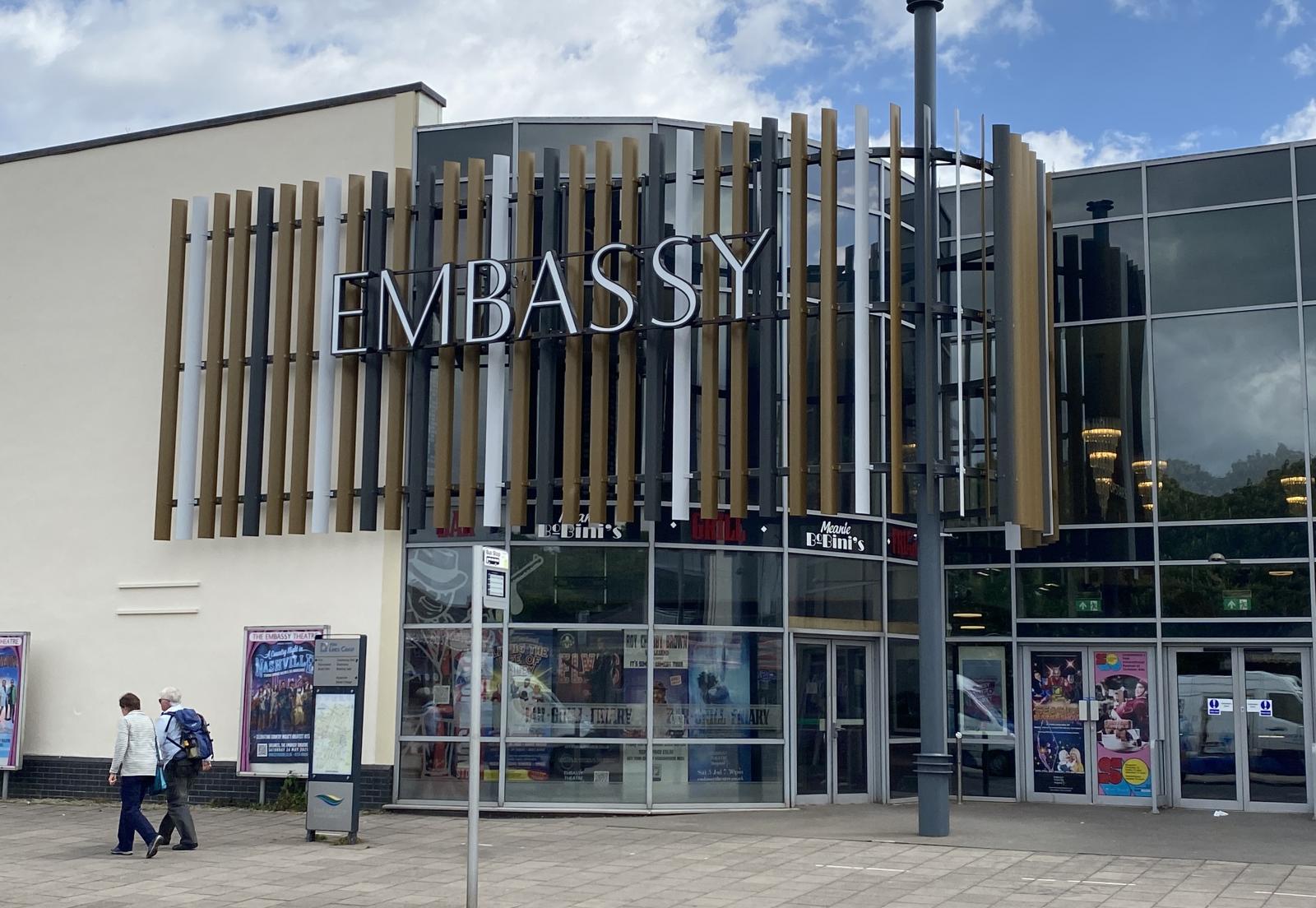
And in Skegness, the £4.1 million redevelopment of the Embassy Theatre has reimagined the much-loved 1926 venue around one of the UK’s first Scandinavian-inspired ‘cultural house’ concepts. Delivered through the UK Leisure Framework, owned and managed by Denbighshire Leisure Ltd (DLL), the project has created an accessible, flexible venue for year-round cultural activities, performances and community events.
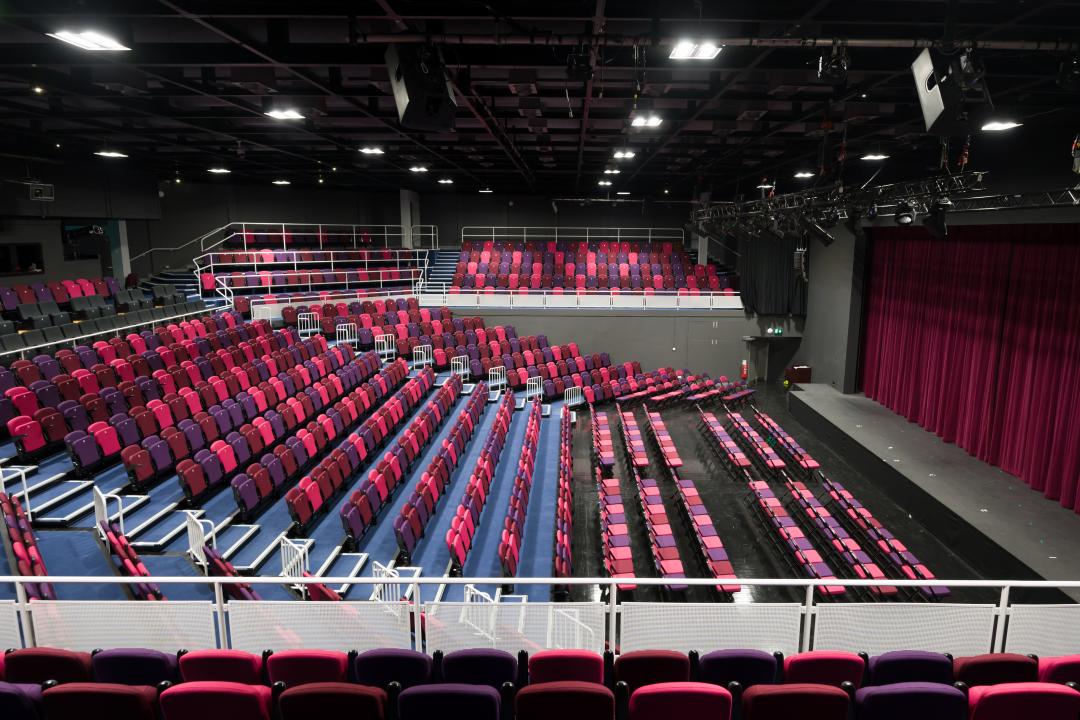
Sean Nolan, Regional Director at Alliance Leisure, commented: “We have delivered a pioneering venue that balances modern functionality with the rich heritage of the building. We are proud to have played a part in remodelling a historical building into a modern-day cultural hub.”
Preserving the past, supporting the future community
The pressures facing heritage buildings are being felt by councils across the country, with ageing assets competing for investment against financial pressures, changing visitor expectations and increasing sustainability requirements.
Yet historic buildings also possess something many new developments take years to establish: authenticity, identity and an emotional connection to place.
Thoughtful investment can harness these qualities while ensuring buildings remain useful, relevant and valued by the communities they serve. It can also support wider priorities around cultural participation, education, tourism, regeneration and civic pride.
With the right approach, culture and heritage assets can retain their character and stories while evolving to meet modern needs. Ultimately, the most effective way to protect a heritage asset is to ensure it continues to have a meaningful role in the community.
Find out more about Alliance Leisure’s work across culture and heritage here