

Thousands of young people leaving care will receive greater housing and support as the government begins the national rollout of an expanded housing programme designed to provide stronger community connections and reduce loneliness among care-experienced young adults.
The initiative, backed by £25 million this year, follows the publication of an independent review into the early deaths of care leavers aged between 18 and 24. The review was led by author and broadcaster Ashley John-Baptiste and social work leader Clare Chamberlain.
The report examines the lives of six young people who died after leaving care. Friends, family members and professionals described them as caring, vibrant and deeply valued individuals. However, a common thread identified throughout the review was social isolation and a lack of meaningful support networks once they entered adulthood.
One young person quoted in the review summed up the challenge starkly, describing themselves as being “on their own”.
The review's central finding is that many care leavers experience profound loneliness when moving into independent living.
While services often support a young person's desire to have their own home, the report suggests that independence can come at a significant cost when it is not accompanied by strong relationships, community connections and ongoing support.
The review identifies three key areas requiring reform:
- Better preparation for adulthood before leaving care.
- Addressing the sharp reduction in support at age 18.
- Strengthening the skills and capabilities of professionals who work with care leavers.
The findings have prompted ministers to place greater emphasis on housing models that combine independence with long-term social support.
In response to the review, the government is accelerating the expansion of housing options that help young people maintain supportive relationships after leaving care.
The £25 million investment will support the national rollout of the Staying Close programme, with a new focus on housing approaches that prioritise community and connection.
These include models similar to Shared Lives Plus, the House Project, and supported lodgings.
The aim is to ensure young people leaving care are offered housing that provides stability, trusted relationships and ongoing support, rather than facing the prospect of living alone in unsuitable accommodation.
For public sector organisations, local authorities and housing providers, the move signals a growing focus on outcomes linked not only to housing provision but also to social connection and wellbeing.
Children's Minister Josh MacAlister said:
“Every one of these young lives mattered, and behind each of them lies a story of enormous loss – for their families, for their friends, and for the people who cared for them.
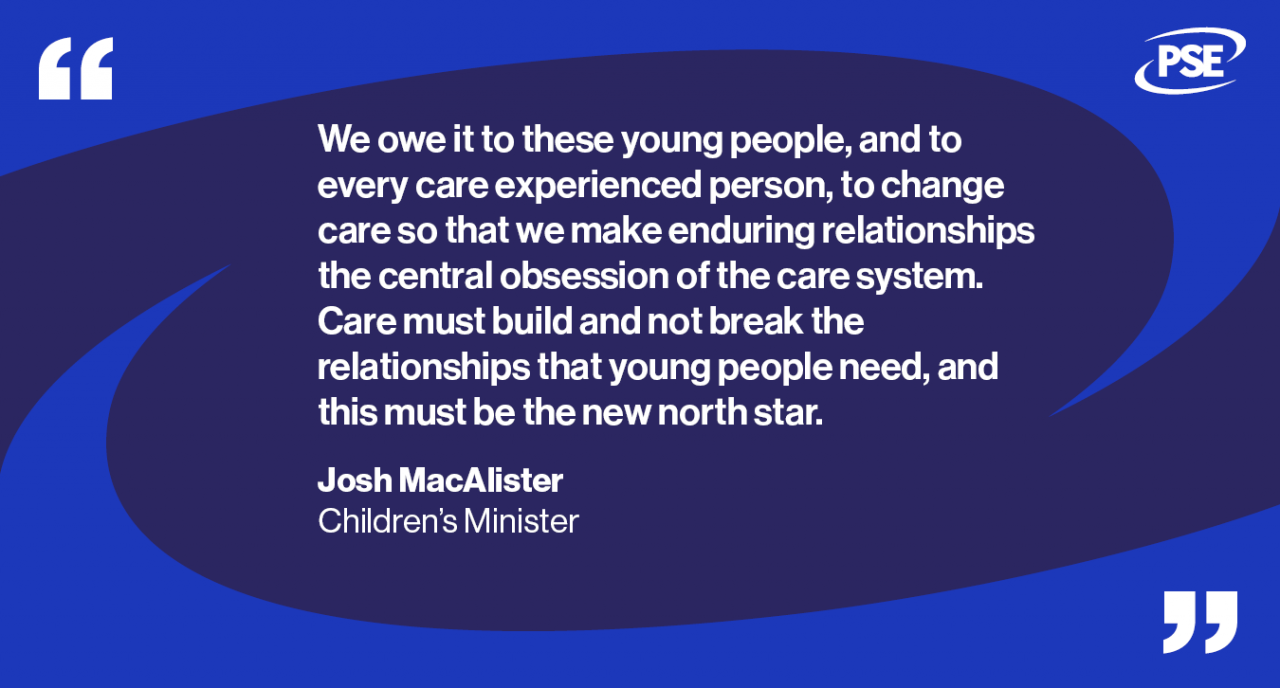
“We owe it to these young people, and to every care experienced person, to change care so that we make enduring relationships the central obsession of the care system. Care must build and not break the relationships that young people need, and this must be the new north star.
“I am incredibly grateful to Ashley and Clare for their work on this review. The tragic stories they have captured must galvanise us to make sure that no one leaving care is left isolated and alone. This will be a whole society effort, so I urge everyone to play their part.”
The review follows growing concern about the challenges facing young people transitioning out of the care system.
In 2025, the Department for Education was notified of 112 deaths involving care leavers aged between 18 and 24.
According to government figures, this equates to an estimated mortality rate of 130 per 100,000 people, approximately three to four times higher than that of their peers in the same age group.
The Children’s Minister commissioned the review after identifying recurring themes and patterns emerging in reports linked to the deaths of young care leavers.
Alongside housing reforms, the government is introducing wider measures through the Children's Wellbeing and Schools Act to strengthen support for care-experienced young people.
The legislation will extend corporate parenting responsibilities to a broader range of public bodies, including NHS organisations, jobcentres, prisons, and probation services. These organisations will be required to consider the needs of care leavers when designing and delivering services.
From 30 September, local authorities will also be required to publish clear plans outlining how they will support care leavers into independent living.
A further change will mean that from the same date, care leavers can no longer be deemed intentionally homeless, providing stronger housing protections for some of society's most vulnerable young people.
For many years, policy discussions around care leavers have focused on helping young people achieve independence. However, the government-commissioned review argues that independence alone is not enough.
The latest reforms signal a shift towards creating housing and support systems that help young people build lasting relationships, remain connected to their communities and access support when they need it most.
For local government leaders, housing providers, social care professionals and the wider public sector, the programme represents a significant step towards addressing one of the most persistent challenges facing care-experienced young people as they transition into adulthood.
Image credit: iStock