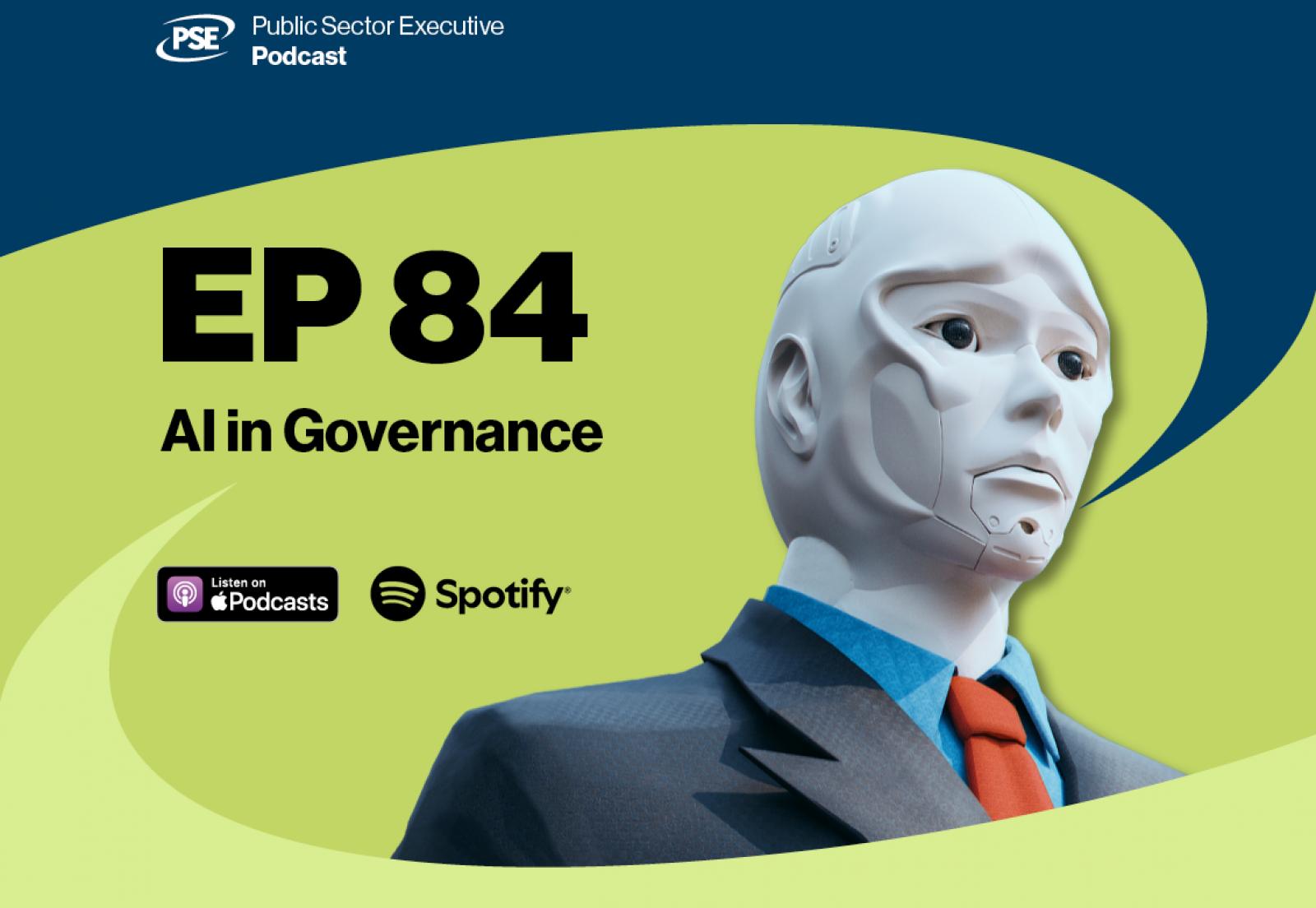

The integration of artificial intelligence (AI) has sparked a significant debate about its implications for decision-making. In our latest podcast episode, we bring together a panel of experts to discuss how AI is transforming the way public sector decisions are made, and the ethical concerns that arise from this shift.
As AI technologies become increasingly prevalent, one of the core questions we explore is the balance between AI-assisted decision-making and the necessity of human judgement. Emma M. Escott, Senior AI Delivery Manager for the Welsh Local Government Association, posits that while AI can help mitigate biases inherent in human decision-making, it is crucial that humans remain at the helm of important decisions. This sentiment is echoed by Gregory Jones, Alderman Ambar for the City of London, who stresses that accountability must always lie with human decision-makers, especially in high-stakes situations.
Our panel also delves into the quality of data that feeds AI systems. Poor data quality can lead to flawed outcomes, and the experts highlight the importance of understanding the context and assumptions behind the data used in AI algorithms. As Richard Sandiford, Head of Governance and Monitoring Officer for Southdowns National Park Authority, notes, AI should be viewed as an assistant that enhances human decision-making rather than a replacement for it.
Public perception of AI is another critical theme in this episode. Amy Carmichael, Public Services Research Lead at the Ada Lovelace Institute, shares findings from a recent poll indicating that a significant portion of the UK public is uncomfortable with AI systems making decisions that affect their lives. This raises important questions about transparency and explainability in AI systems, which our experts agree are essential to building trust with the public.
The discussion also touches on the potential barriers that AI can create in accessing public services, particularly for vulnerable groups. Sabjit Bakshi, Digital Best Practice Manager for the London Office of Technology and Innovation, emphasizes that while AI can streamline processes, it also risks alienating those who may lack the digital literacy or resources to navigate these systems effectively.
As we look to the future, our panel urges public sector organisations to approach AI with caution, ensuring that ethical considerations, data governance, and the human element are always prioritised. The conversation serves as a reminder that while technology can enhance efficiency, it should never come at the cost of accountability and fairness in public service delivery.