When developing community facilities, it can be tempting to start with the building. What should it look like? What facilities should it include? But before answering these questions, there is a more fundamental one: who is it for?
At Alliance Leisure, our Insight team believes understanding the people and place a facility will serve should be one of the first steps in development. Every community is different and there is no single facility mix that works everywhere.
Starting with the Community
We analyse demographics, including age, life stage and affluence, alongside deprivation indices, health indicators and physical activity data. This helps build a picture of local needs, identify groups less likely to participate and understand what existing facilities already provide.
Crucially, a gap in provision does not automatically mean there is demand.
From Data to Design
Insight combines demographic information, health indicators, deprivation levels and physical activity data to understand local needs. At Alliance, we analyse existing provision to identify gaps, assess competition and determine where investment could have the greatest impact.
This evidence informs design, for example, an ageing population may indicate demand for rehabilitation and active ageing, while a younger, family-focused catchment could benefit from junior activities and family provision. Flexible spaces can accommodate different audiences and adapt as needs change.
We use insight to also challenge assumptions. A lack of competing provision might suggest an untapped market but does not automatically mean demand exists. Our research into one proposed family entertainment centre revealed a catchment with relatively few families and a higher proportion of older residents, questioning whether the proposal would meet local needs.
Beyond Financial Sustainability
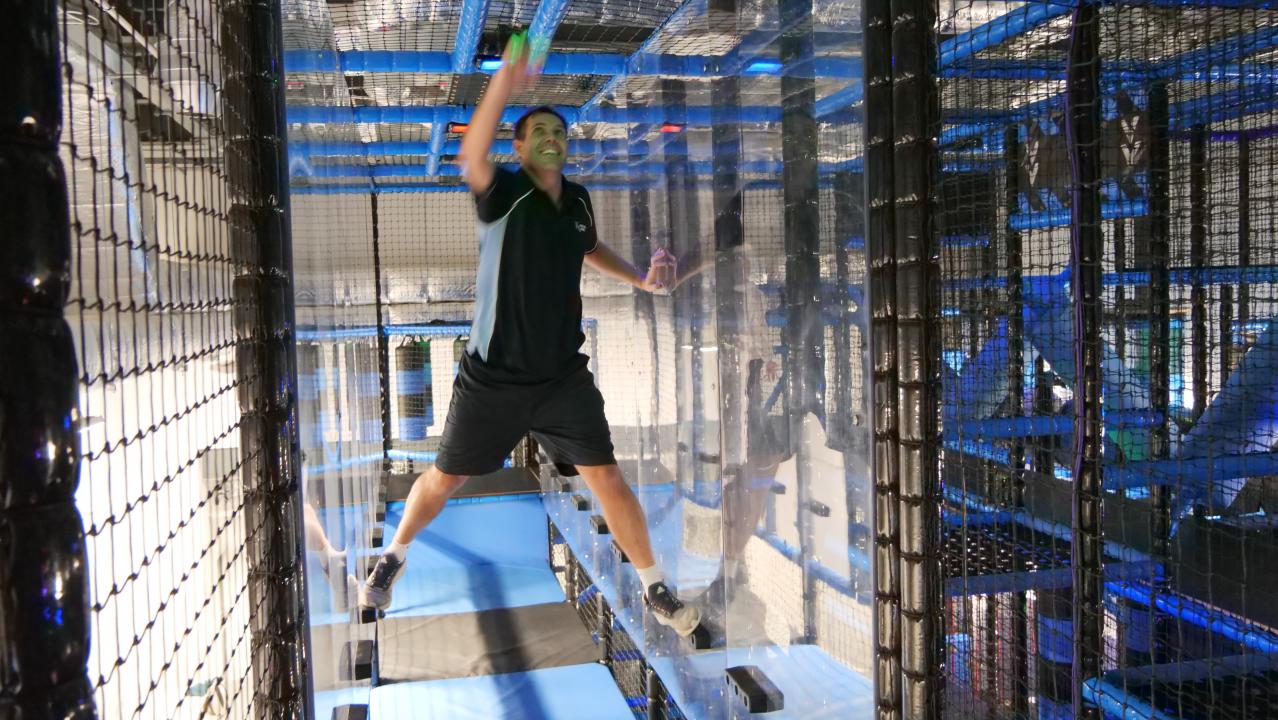
Community facilities must be financially viable while contributing to healthier, more active and connected communities. Understanding participation, demographics and deprivation helps councils and operators consider who uses facilities, who is missing out and how programming, pricing and space allocation could better meet local needs.
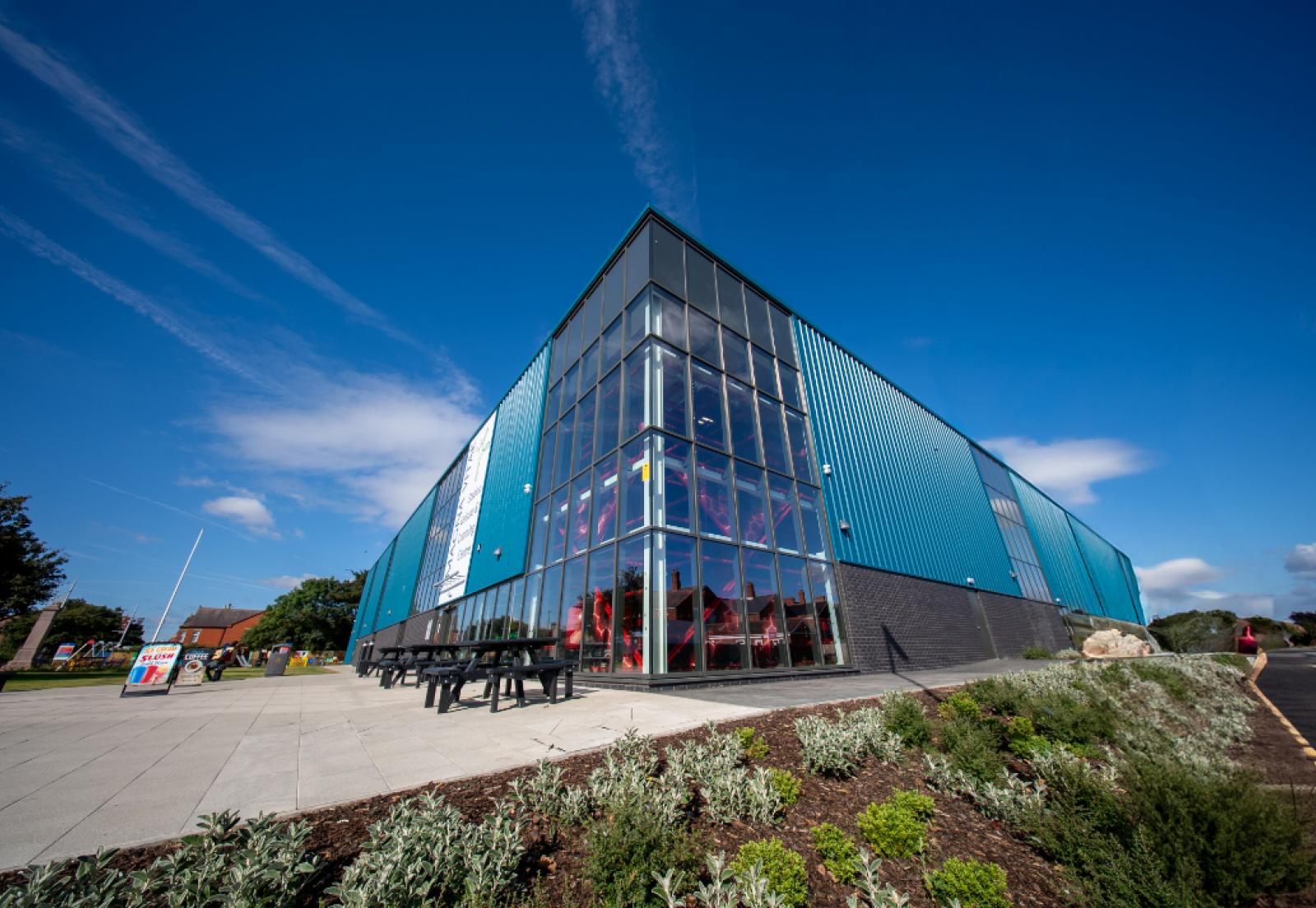
At Station Leisure & Learning Centre in East Lindsey, for example, we used community-led planning informed by insight to help increase community reach from 5% to 35% of local residents following its 2024 opening.
Planning for the Future
Population growth, new housing and changing demographics all influence future demand. Insight helps ensure facilities can adapt as communities evolve and identifies opportunities to integrate leisure with wider services.
At Clay Cross Active, a GP surgery on site sees 450–500 patients monthly, while the Citizens Advice Bureau has recorded a 25% increase in face-to-face appointments.
As operators collect more detailed data, there is growing potential to understand how people use facilities, when spaces are busiest and how participation changes over time.
Over the next five years, these insights could strengthen understanding of the relationship between participation, health outcomes and inequalities, supporting closer collaboration between leisure providers, health services and social care.
From Insight to Impact
Data-driven planning is not about creating a formula for the perfect community facility. It is about recognising that every place has different needs and opportunities.
By combining demographic, health, participation and competitor analysis with our experience of leisure, sport and cultural development, Alliance Leisure’s Insight team helps clients move from assumptions to evidence, and from evidence to informed decisions.
The result is a facility with a clear purpose, designed around the people it serves and the ability to evolve alongside them.
Find out more about Alliance Leisure’s work here