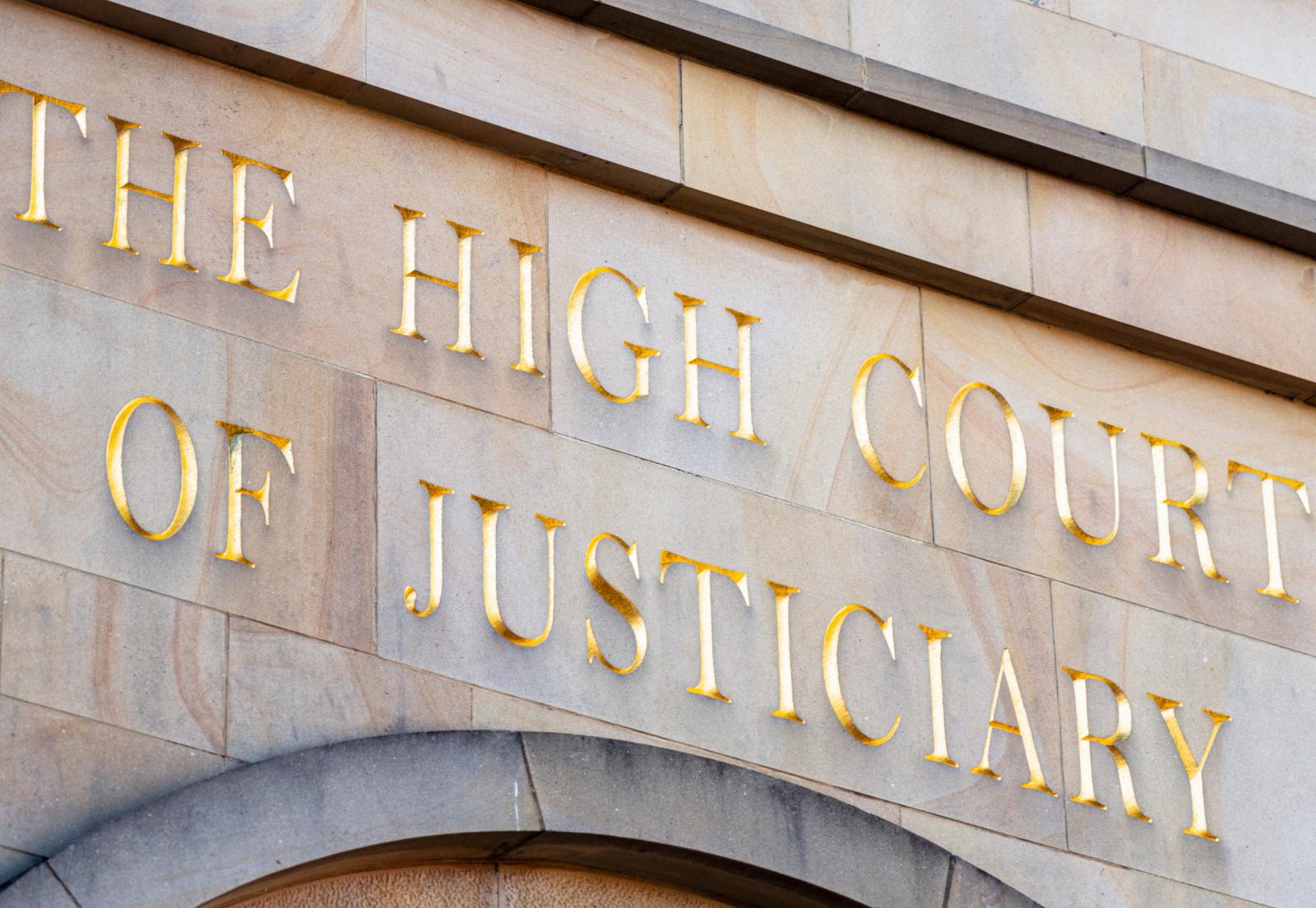

Scotland’s “not proven” verdict has been abolished in all new criminal trials, marking one of the most significant changes to the nation’s justice system in centuries. The reform aims to create a clearer, fairer and more transparent decision‑making process for victims, witnesses and accused persons alike.
The change forms a central part of the Victims, Witnesses, and Justice Reform (Scotland) Act, passed by the Scottish Government in September. Ministers say the reforms will improve public confidence in the justice system and modernise a verdict structure unique to Scotland.
Alongside the abolition of the not proven verdict, new rules also came into force on the 1st of January requiring at least a two‑thirds majority of the 15 jurors for a conviction. This replaces the current simple majority system, ensuring that verdicts of guilt must meet a higher threshold of agreement among jurors.
The Scottish Government will also commence new measures to enable more detailed research into jury deliberations, helping experts better understand how juries reach decisions. Officials say this will support evidence‑based policy and help ensure the justice system reflects modern standards and societal expectations.
The Act also makes substantial changes to the Parole Board for Scotland, with new rules to be introduced in 2026. Under these reforms, the Parole Board must consider:
- whether a prisoner has information about the location or disposal of a victim’s remains and has chosen not to disclose it; and
- the safety and security of victims and their families when assessing whether a prisoner is suitable for release.
These measures are intended to strengthen the rights of victims and ensure their voices and safety needs are central to the parole process.
Angela Constance, Scottish Justice Secretary, commented:
“Victims, families and support organisations campaigned long and hard for the abolition of the not proven verdict and I am pleased that this historic change will take effect for all new criminal trials from 1 January.
“Not proven is a widely misunderstood verdict and one with no statutory definition. I have heard compelling evidence about the devastating impact that the not proven verdict can have on complainers because of its lack of clarity or lack of closure for them, and it can leave a lingering stigma for the accused. Such a verdict risks undermining public confidence, while the two opposing verdicts of guilty and not guilty are unambiguous and clear.
“Moving from a simple majority to a two-thirds majority for a criminal conviction alongside the change to a two-verdict system is a proportionate and balanced reform that is mindful of the unique nature of the Scottish system.
“The reforms to parole to be introduced in 2026 will bring a further positive change for victims and their families by strengthening in law further factors that the Parole Board must consider in their decision-making. We want to ensure the parole system works for all those involved, which is also why we recently led a public consultation to inform improvements and ensure the system is transparent, trauma-informed, and delivers for everyone.”

The Scottish Government has already announced plans to commission priority research into how rape myths – false, prejudicial and stereotyped beliefs about sexual violence – may influence verdicts. This research will support broader efforts to improve justice outcomes in sexual offence cases and ensure victims are treated fairly and without prejudice throughout the legal process.
Image credit: iStock