

The UK government has announced a major overhaul of the homebuying process aimed at cutting delays, lowering costs and reducing stress for buyers and sellers. The reforms are designed to modernise a system widely criticised for being slow, complex and prone to collapse.
The changes are expected to reduce the time it takes to complete a property purchase by around four weeks. First-time buyers could save an average of £650, while reforms are also intended to minimise the risk of deals falling through late in the process.
A central feature of the reforms is the introduction of mandatory ‘sales packs’. Sellers and estate agents will be required to provide key information at the point of listing, including:
- Property condition
- Leasehold costs
- Chain status
By making this information available earlier, buyers will be able to make more informed decisions, while conveyancers and other professionals can begin work sooner. The aim is to reduce unexpected issues that frequently derail transactions.
The government is also proposing earlier binding agreements in the process. These are intended to prevent parties from withdrawing weeks or months into a transaction without a valid reason – a common cause of stress and financial loss.
With around one in three property sales currently falling through, these changes could have a significant impact. Failed transactions are estimated to cost sellers £400 million annually and up to £1.5 billion across the wider economy.
Alongside process reforms, a new Code of Practice will be introduced for estate agents. The government is also exploring mandatory qualifications for professionals in the sector.
This is intended to improve consistency, rebuild trust, and ensure agents have the skills needed to support smoother and more efficient transactions.
A major shift towards digitalisation sits at the heart of the reform package. Paper-based processes will be replaced by integrated digital systems, including:
- Digital property logbooks
- Electronic sales packs
- Digital identity checks
- E-signatures
- AI-assisted conveyancing
These tools are expected to reduce duplication, streamline communication, and cut fraud risk. Buyers and sellers will also be able to track progress in real time, improving transparency throughout the transaction.
The UK is looking to countries such as the Netherlands, Norway and Finland, where similar reforms have delivered measurable improvements.
In the Netherlands, real-time transaction tracking has helped reduce average completion times to around 20 days. Meanwhile, Norway’s digital property system is estimated to deliver savings of up to £1.4 billion over a decade.
Currently, the average home purchase in England takes around 120 days to complete. Delays, last-minute issues and poor communication are common, often leading to financial loss and emotional stress for those involved.
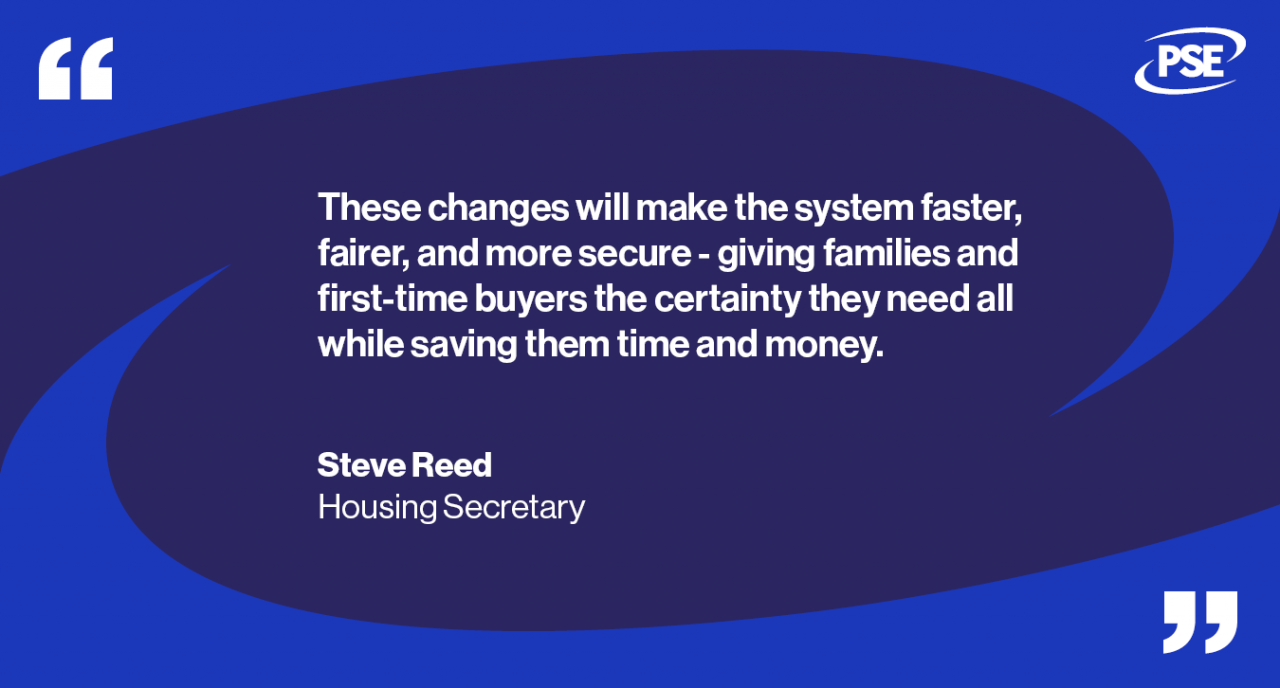
Housing Secretary, Steve Reed said:
“Buying or selling a home should be one of life’s great moments and not a drawn-out nightmare of delays, hidden costs, and failed deals.
“These changes will make the system faster, fairer, and more secure - giving families and first-time buyers the certainty they need all while saving them time and money.”
The reforms are part of a broader effort to support households amid ongoing cost-of-living pressures. By reducing hidden costs and speeding up transactions, the government aims to make home ownership more accessible and less risky—particularly for first-time buyers.
For public sector leaders and housing professionals, the changes signal a significant shift towards a more efficient, transparent and digitally driven housing market.
Image credit: iStock