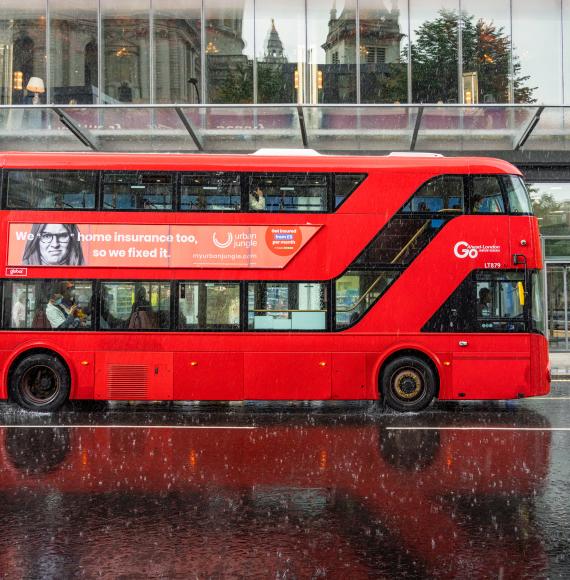
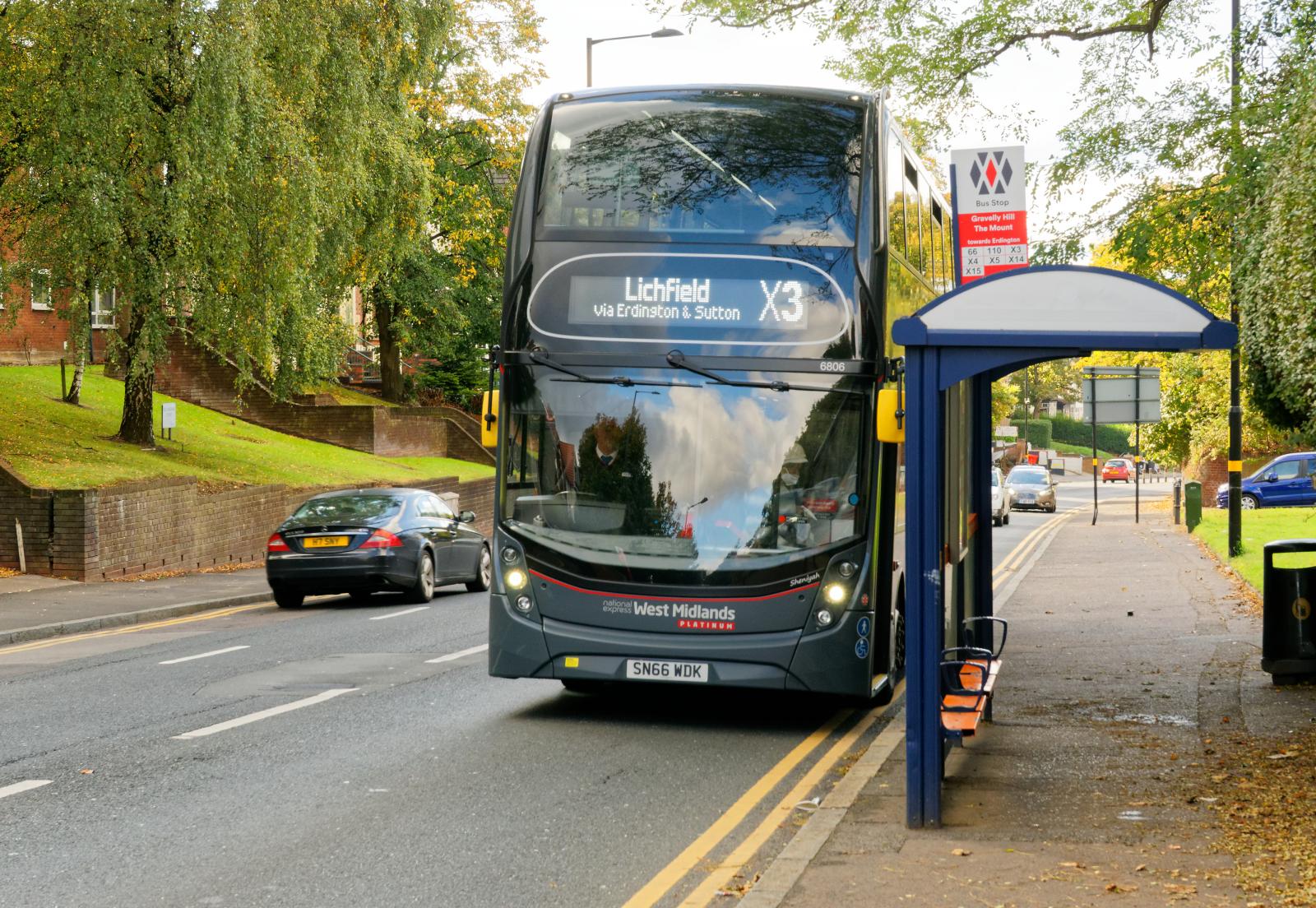

Millions of passengers across the West Midlands are set to benefit from more reliable, affordable and accountable bus services after the Government and the West Midlands Combined Authority confirmed a landmark agreement to bring the region's bus network under public control.
The move follows concerns over the future of local bus services after the parent company of National Express signalled its intention to exit the market, placing the majority of bus journeys across the region at risk.
Backed by £11.5 million in new Government funding over the next three years, the agreement will support the WMCA in safeguarding vital services while progressing plans to introduce a franchised bus network similar to those already operating in London and Greater Manchester.
Under the franchising model, the authority will set routes, fares, service standards and branding, while private operators compete to run services on its behalf. The approach is designed to give local leaders greater control over public transport and ensure services are planned around the needs of communities rather than commercial priorities.
The announcement represents one of the most significant steps yet in the Government's wider agenda to devolve power to regional leaders and strengthen local decision-making over essential public services.
It also comes ahead of the Liverpool City Region beginning the transition of its own bus network into public control from 6 September, signalling a broader shift towards locally managed transport services across England.
Prime Minister Andy Burnham said:
“When I said we would put power back into the hands of local communities, this is exactly what I was talking about. We’re not afraid to take bold action to protect people and we’re backing the Mayor to step in to save these vital bus services which millions of people rely on every day.
“Buses are the backbone of public transport in the West Midlands, and this step will mean better, more affordable services for communities across the region.
“This is just the start. No 10 North will play a key role in supporting local leaders right across the country and handing them the power they need to bring back hope and make the changes that are right for their communities.”
The partnership is expected to protect around 4,800 jobs and ensure that up to 750 buses per day continue operating across the region during the transition period.
With around 4.6 million passenger journeys made each week, buses remain the most heavily used form of public transport in the West Midlands, providing essential connections to employment, education, healthcare and leisure activities.
The West Midlands Combined Authority is expected to complete the acquisition process in the autumn, with work continuing to establish a fully franchised network.
West Midlands Mayor Richard Parker said:
“People rely on these buses to get to work, to school or to hospital appointments. They are a public service, and I believe they should be run in the public interest.
“So, we stepped in. We protected the services people depend on, protected jobs and kept the West Midlands moving.
“There should be no doubt who our bus network ultimately answers to - the millions of people who rely on it every single day.”
The Government has already committed more than £2 billion of flexible transport funding to the West Midlands over five years, allowing local leaders to invest in priorities such as fare reductions, new routes, bus franchising, zero-emission vehicles and safer transport infrastructure.
The additional £11.5 million announced today will fund specialist legal and project support, technology systems and operational expertise required to manage the transition to public ownership and ensure continuity of services.
The investment also forms part of a wider package of transport reforms, including:
- The introduction of a £2 bus fare cap from January.
- Free bus travel for under-16s this summer.
- The removal of time restrictions on disabled bus passes, providing 24/7 free bus travel for eligible passengers across England from 1 April.
Ministers say the measures are intended to make bus travel more affordable, accessible and reliable, while supporting economic growth and improving access to jobs, education and public services.
As more mayoral authorities explore franchising, the West Midlands' transition could become a key test case for the future of locally controlled public transport in England.
Image credit: iStock