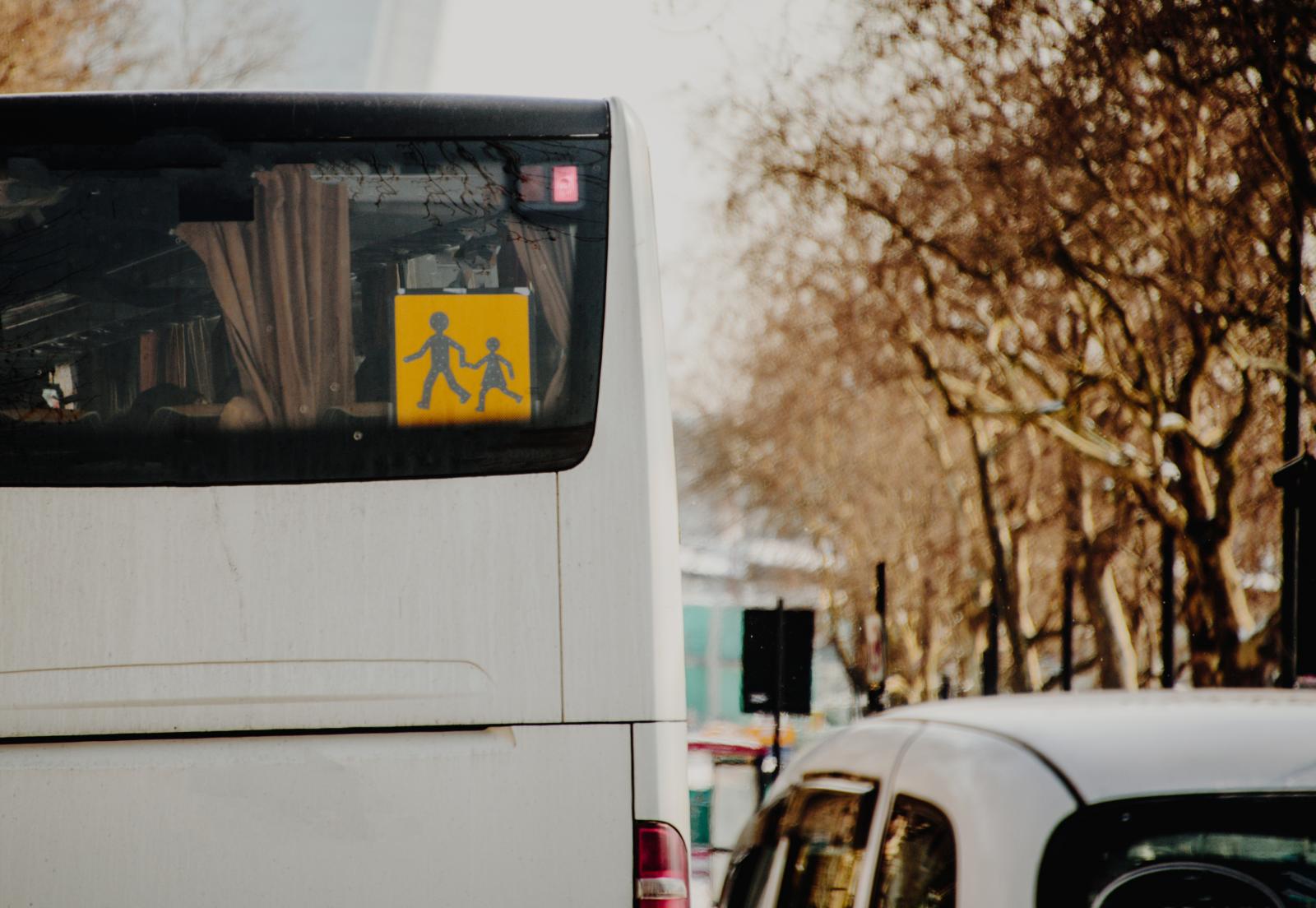

New analysis from the County Councils Network warns that councils in England may be transporting over 100,000 additional young people with special educational needs and disabilities to school by the end of the decade unless the SEND system is reformed.
According to the report, annual SEND school transport costs could reach £3.4 billion by 2030/31, an increase of £1.4 billion compared with last year. Local authorities say the rapid rise in demand is placing unsustainable pressure on budgets and could significantly reduce transport provision for other pupils.
The report, Home to School Transport: How SEND Reform Can Make Services Sustainable, highlights that costs have already increased five‑fold since 2015, when SEND reforms expanded eligibility for support. Councils spent £645 million on SEND transport in 2015; last year the figure reached £2 billion.
Key findings include:
- Councils transported 206,000 SEND children and young people last year – the highest number on record.
- If current trends continue, this will rise to 311,000 pupils by 2030/31 – an increase of 17,500 additional pupils every year.
- Half of all SEND school transport journeys occur in rural and county areas.
- Average SEND transport costs per pupil could rise from £9,481 to nearly £11,000 by 2030/31, driven by fuel prices, inflation and increased use of single‑occupancy vehicles.
Rising SEND demand is taking an increasing share of councils’ school transport budgets. In 2015, 64% of all school transport spending was for SEND pupils; by 2030/31 this is projected to reach 85%.
A recent CCN survey found that three‑quarters of councils expect to tighten eligibility for mainstream school transport over the next three years because of financial pressures.
The number of children and young people with Education, Health and Care Plans (EHCPs) has more than doubled in a decade — from 240,000 in 2015 to 640,000 today. Many EHCPs entitle pupils to free school transport, often specifying the type of vehicle required.
If no reforms are introduced, the CCN projects another 200,000 EHCPs by 2029.
With the government expected to publish its Schools White Paper soon, the CCN is urging significant reforms to make SEND transport financially sustainable. Its recommendations include:
- Reforming EHCPs and tribunals to focus support on those with the highest level of need.
- Enabling more SEND pupils to be educated in local mainstream schools, reducing long‑distance transport to specialist settings.
- Ensuring tribunals consider transport implications when determining placements.
- Considering means‑testing for SEND transport to better target support.
The CCN argues that without structural changes, councils will struggle to meet statutory duties. SEND home‑to‑school transport is now the third‑largest financial pressure on councils – behind children’s and adult social care.
County Councils Network’s SEND Spokesperson, Cllr Bill Revans, said:
“After the government’s announcement that SEND deficits will be largely paid off, all eyes are on the Schools White Paper as a means to bring the system back to sustainability. It is vital that government does not ignore the alarming rise in SEND school transport costs, which has become one of the biggest pressures on council budgets over the last few years.
“The numbers are becoming overwhelming for many councils’ budgets. Last year the County Councils Network estimates that councils transported a record number of SEND pupils, many in single-occupancy vehicles. If nothing changes, they will be transporting more than 100,000 additional pupils within six years – a city’s worth of young people.
“There are many unintended consequences to this, not least a tighter squeeze on who is eligible for mainstream school transport. Therefore, the government must ensure the white paper sets out proposals that are comprehensive enough to deal with the scale of the transport challenge, not just what happens in the classroom – including changes to EHCPs and tribunals.”
The government recently announced that it will cover 90% of the £6.6bn SEND deficits built up by councils over the past decade for non‑transport services. It will also absorb all SEND spending into central government from 2028 onwards.
However, these measures do not cover SEND transport costs, which continue to rise sharply.
Local authorities warn that, without reform, the pace of growth in demand will become increasingly difficult to manage, risking service reductions elsewhere and widening funding gaps across the school transport system.
Image credit: iStock