
The West Midlands could face more than £600 million a year in economic losses within the next decade if action is not taken to improve climate resilience, according to new analysis commissioned by the West Midlands Combined Authority. By the 2050s, this annual loss could rise to nearly £3 billion.
The figures were published as the region unveiled a new West Midlands Climate Change Five Year Plan, which aims to safeguard jobs, infrastructure and long‑term economic growth by accelerating investment in clean energy, climate adaptation and low‑carbon technologies.
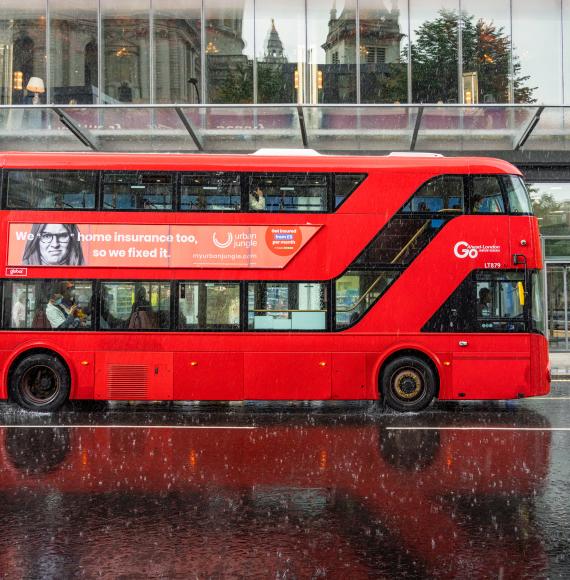
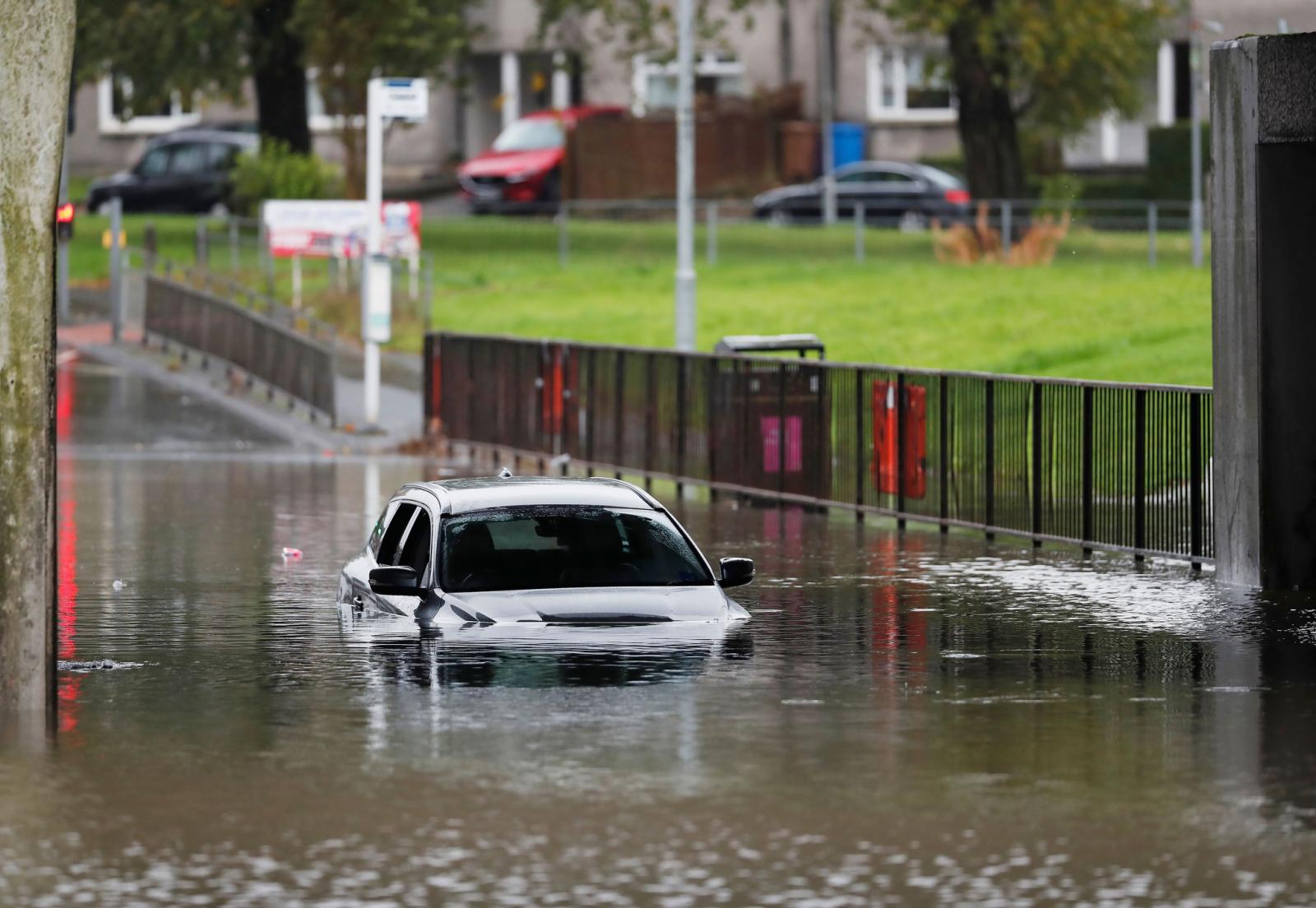
The WMCA report highlights growing exposure to climate‑related risks. In recent years, the region has experienced storm events disrupting transport networks and power supplies, flooding affecting homes, businesses and critical infrastructure, and rising temperatures increasing risks to public health and economic productivity.
The most extreme heat recorded since measurements began in 1884 has occurred in recent years, with 2025 confirmed as the hottest year on record, followed by 2022, 2023, 2014 and 2024. The frequency of named storms has also risen, with the region experiencing six or more significant storms each year since 2015. The 2023–24 storm season was particularly severe, with storms such as Babet, Ciarán and Henk causing widespread flooding.
Running from 2026 to 2031, the plan outlines a series of actions designed to remove barriers to clean growth and build a more resilient economy. These include:
- Tackling grid capacity constraints to support renewable energy and industrial electrification
- Accelerating Local Area Energy Planning for housing and major developments
- Establishing a Regional Heat Decarbonisation Unit to expand shared heat networks
- Developing a stronger pipeline of investment-ready low‑carbon projects
- Creating a regional blended finance facility to attract long‑term private capital
The plan also proposes working with national government to secure devolved funding, clearer carbon accounting frameworks and greater autonomy over regional climate and adaptation measures.
The region already employs 75,000 people in its green economy, with potential for over 200,000 jobs by 2050 through clean energy, retrofit, low‑carbon manufacturing and digital innovation.
The Five Year Plan aligns with the region’s wider Growth Plan and underscores the importance of climate adaptation and clean energy investment to long‑term prosperity.
Richard Parker, Mayor of the West Midlands, commented:
“Climate change is already costing our economy. Flooded roads, disrupted rail lines, supply chain shocks and rising energy bills all hit businesses and working families.
“Doing nothing is not cheaper. It’s far more expensive.
“This plan is about protecting our economy, backing our manufacturers and making sure the West Midlands stays competitive in a changing world.”
Transport for West Midlands and the WMCA identify 43 projects currently in development as part of the long‑term climate and energy pipeline. Combined, they are expected to deliver:
- £6.3 billion in wider economic benefits
- Up to 13.3 million additional rail journeys per year
- 3.8 million fewer car journeys annually
- A reduction of 115 million vehicle kilometres
- 55,000 tonnes of CO₂ avoided each year
The Five Year Plan argues that acting now will protect the region’s economy from escalating climate risks while accelerating investment that supports growth, innovation and long‑term resilience.
Image credit: iStock