
London Councils has warned that the government’s upcoming decision on social rent convergence will “lay the financial foundations” for stabilising social housing budgets and enabling the construction of thousands of new council homes in the capital.
With the government expected to confirm its policy later this month, the cross-party London Councils group is urging ministers to allow a social rent convergence rate of at least £3 per week from April 2026.
Rent convergence, a former government policy between 2002 and 2015, ensures residents in similar socially rented properties pay the same rent. Boroughs argue that reinstating this approach is critical to addressing the worsening financial crisis in London’s social housing sector.
London Councils’ analysis shows that a £3 per week rent convergence rate would:
- Boost resources for new social housing: Failure to implement this could mean 7,000 fewer council-led homes over the next decade.
- Reduce homelessness and temporary accommodation costs: Expanded social housing provision could save the government at least £115 million over 10 years.
- Prevent deep cuts to housing budgets: Without additional revenue, boroughs face a £269 million real-terms reduction in spending on repairs, management and resident services over the next four years.
Boroughs stress that rent convergence must be introduced from April alongside new social rent levels for 2026–27. Any delay would worsen budget pressures, jeopardise council housebuilding, and undermine progress on decarbonisation and raising housing standards.
London Councils’ Executive Member for Housing and Regeneration, Cllr Grace Williams, commented:
“Boroughs want to boost investment in council housing, but instead we face stark budget pressures and real-terms cuts.
“We hope 2026 will be the year we turn around the crisis in council housing finances, and rent convergence should be an integral part of that. If the government enable us to introduce a rent convergence rate of £3 per week from April, this will lay the financial foundations of a much better future for London council housing.
“Boroughs are determined to work with ministers to deliver on our shared ambitions for housing. This includes making sure social rent levels are fair for tenants, put budgets in a healthier position, and bring investment for the much-needed new social homes that will help reduce homelessness and boost economic growth.
“But without rent convergence at an adequate rate, we fear continuing budget shortfalls holding back delivery of the new council homes we all want to see.”
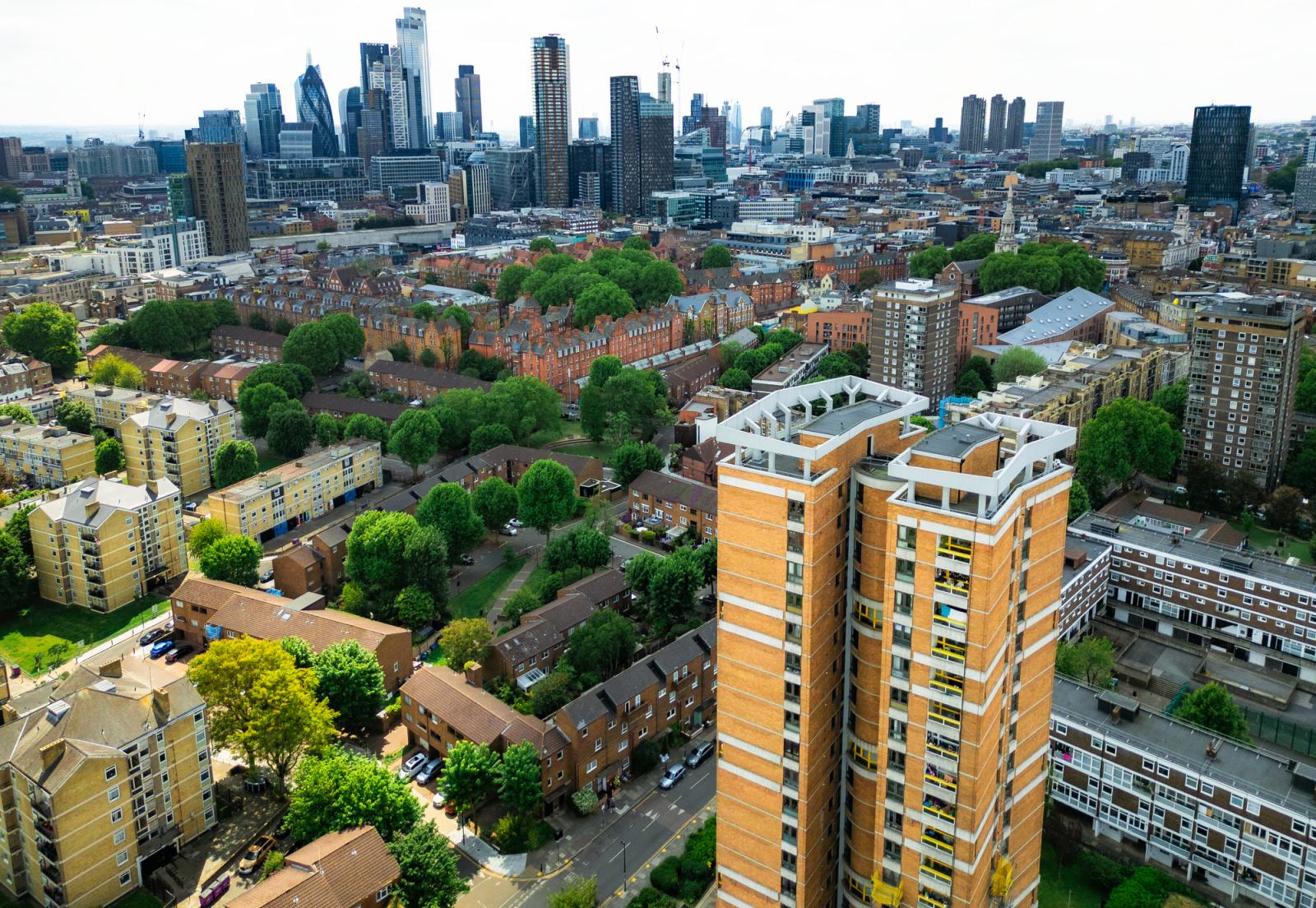
London local authorities currently own and let around 390,000 social homes, housing more than one in ten London households. However, borough budgets are in managed decline, making rent convergence their top priority for bolstering resources.
Image credit: iStock