
Scotland's public revenues have risen by £6.3 billion to a record £98.3 billion, according to the latest Government Expenditure and Revenue Scotland (GERS) 2025-26 statistics. The figures show revenue growth outpacing increases in public spending, with income tax receipts delivering one of the strongest contributions.
The annual GERS report highlights a £1.5 billion increase in income tax revenues, driven in part by tax policies implemented by the Scottish Government. The growth contributed to an improvement in Scotland's notional fiscal position, with the deficit narrowing by 0.6 percentage points to 10.9% of GDP.
While revenues increased substantially, public spending also rose, with the largest increases recorded in health and social protection programmes. These areas continue to account for a significant share of government expenditure as demand for public services remains high.
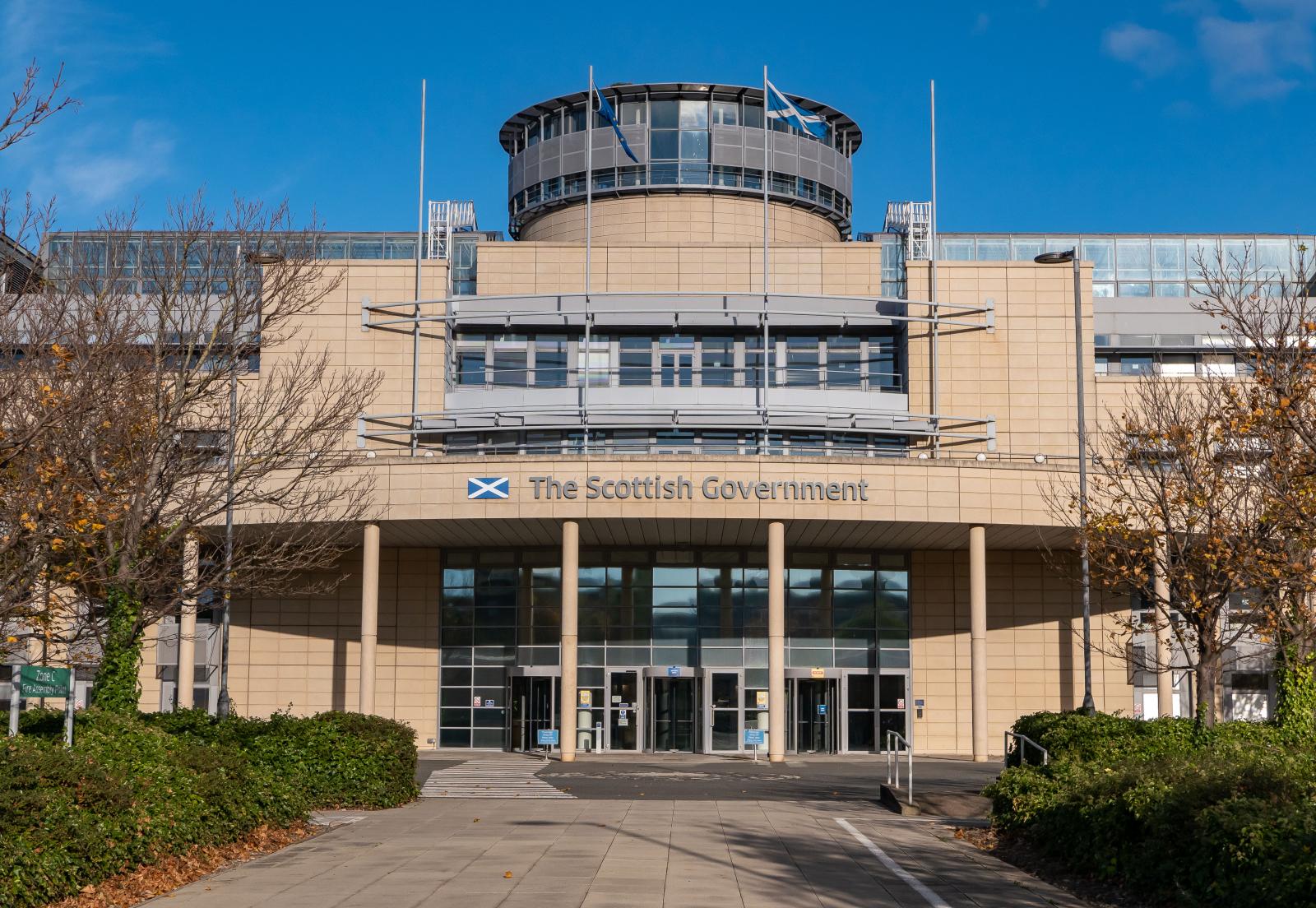
Responding to the figures, Jenny Gilruth, Scotland's Deputy First Minister and Finance Secretary, said:
“The latest GERS stats show that total and devolved revenues grew faster than spending – showing in particular that in the areas where our Government has control, we are delivering sustainable finances.
“The significant increase in income tax revenues shows that the decisions which this Government has taken are helping to deliver additional funding for measures to ease the cost of living like the Scottish Child payment, free prescriptions, bus travel for under-22s and free university education.
“GERS provides notional estimates for Scotland’s deficit as part of the UK – it simply does not show what an independent Scotland’s position will be.
“With the powers of independence we would be able to chart a different path, ensuring we grow the economy to allow Scotland to reach her full potential.”
The figures are likely to reignite debate over Scotland's fiscal performance and the effectiveness of devolved taxation powers, while also feeding into wider discussions around public spending priorities and Scotland's constitutional future.
For public sector leaders, the latest statistics offer a clear indication of the growing importance of devolved tax revenues in supporting key services, particularly health, social care and measures aimed at tackling the cost of living.
Image credit: iStock