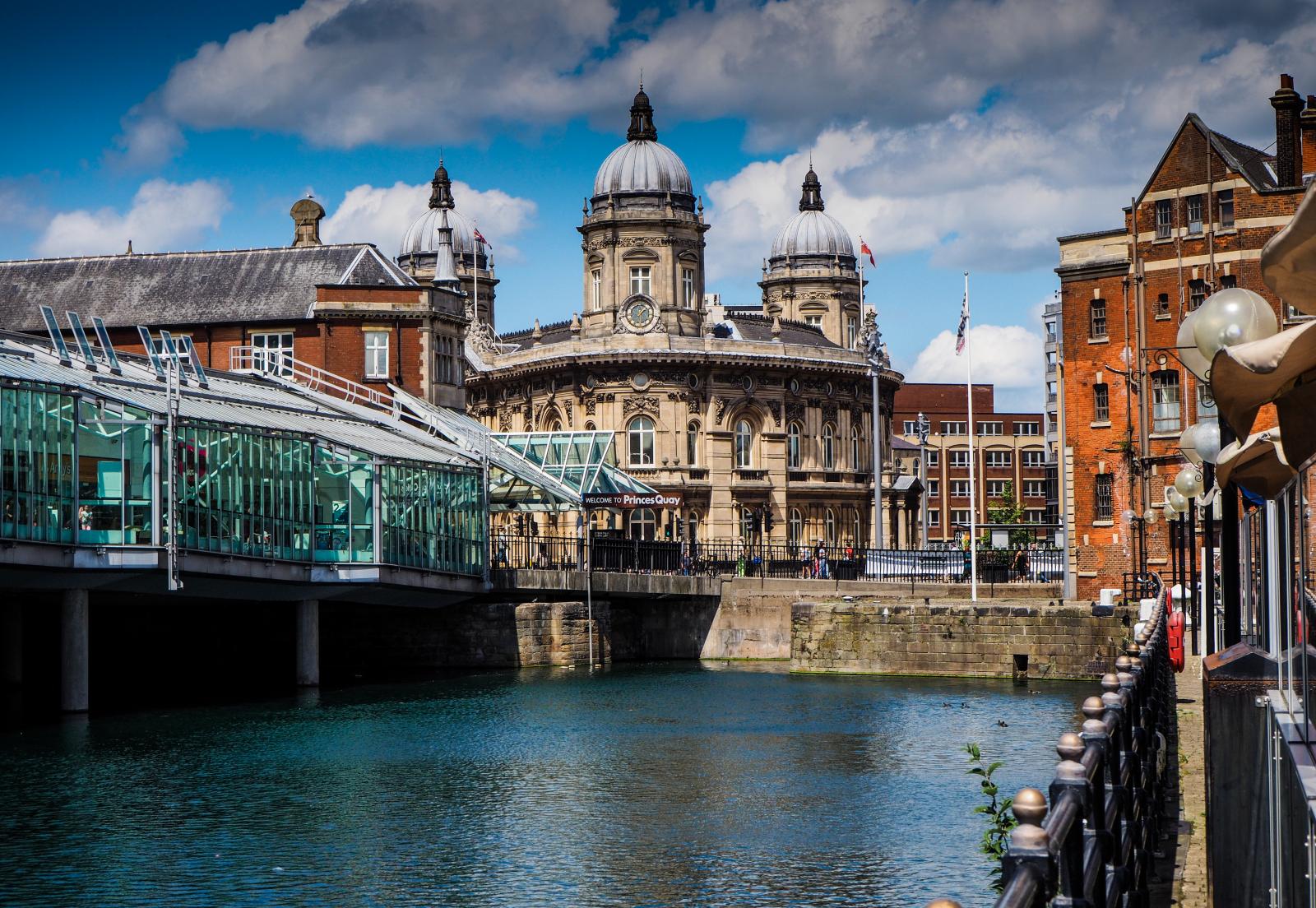

A new wave of regeneration is gaining momentum across Hull, unlocking fresh opportunities for economic growth, investment and city‑centre transformation.
The recently launched City Centre Vision sets out a 20‑year plan to reshape the heart of Hull, creating a healthier, more innovative city while strengthening its economy, identity and long‑term resilience.
Leaders say the strategy builds on Hull’s growing reputation as a place to live, work and visit, following the city’s recognition as one of National Geographic’s Top 25 global destinations to visit in 2026.
The City Centre Vision outlines a comprehensive approach to regeneration, focusing on:
- High‑quality homes and mixed‑use development
- Improved public spaces and connectivity
- Sustainable economic growth
- A stronger cultural and commercial offer
The aim is to ensure Hull’s city centre and waterfront continue to thrive over the next two decades, attracting residents, businesses and visitors alike.
At the centre of Hull’s investment offer is East Bank Urban Village, a major waterfront regeneration project being developed in partnership with the English Cities Fund (ECF).
The scheme will deliver up to 850 new homes, alongside a mix of commercial space, cultural uses and high‑quality public realm. The development is intended to reconnect the city with its waterfront while supporting long‑term residential and economic growth.
Another flagship opportunity is Albion Square, a prominent, council‑backed site in the heart of Hull city centre.
The site is described as one of the most immediate mixed‑use regeneration opportunities in the north, with a clear route to market and active engagement already under way. Its scale and central location make it a key component of Hull’s wider regeneration pipeline.
Beyond East Bank and Albion Square, several other areas are identified as priorities for regeneration, offering further potential for investment and development.
These include Mytongate, Paragon and the Western Docklands, all of which present opportunities to deliver new homes, employment space and destination developments across the city centre and waterfront.
Together, these sites form a strong, coordinated pipeline designed to support sustained growth across Hull.
The regeneration plans are underpinned by infrastructure investment that is already delivering results.
Major upgrades such as the A63 corridor improvements have strengthened connectivity, improved access to key sites and helped unlock land for development, increasing Hull’s attractiveness to investors and developers.
Supporting the city‑wide regeneration ambition is Invest Hull and East Yorkshire, a new partnership bringing together the Hull and East Yorkshire Combined Authority, Hull City Council, and East Riding of Yorkshire Council.
The partnership aims to drive inward investment and support regional economic growth by aligning local authority strengths with the strategic role of the Combined Authority.
Director for Regeneration and Partnerships at Hull City Council, Chris Jackson, commented:
“Hull is a city on the rise, with a number of key regeneration sites delivered over recent years and more currently in development.
“The Fruit Market and Maritime Programme have shown what can be done and we have attracted major national development partners to continue that momentum through large-scale residential and commercial developments.
“UKREiiF is a great place to discuss further opportunities with potential development partners and investors, as demonstrated by the signing of a 15-year contract with ECF for the East Bank Urban Village project at the 2025 event.”
By presenting a unified and compelling offer to national and international investors, Invest Hull and East Yorkshire will play a central role in promoting the region’s opportunities and accelerating delivery.
With regeneration activity now spanning the city centre and waterfront, Hull is set to build on recent momentum and further strengthen its role as a dynamic place to live, work and do business over the coming decades.
Image credit: iStock