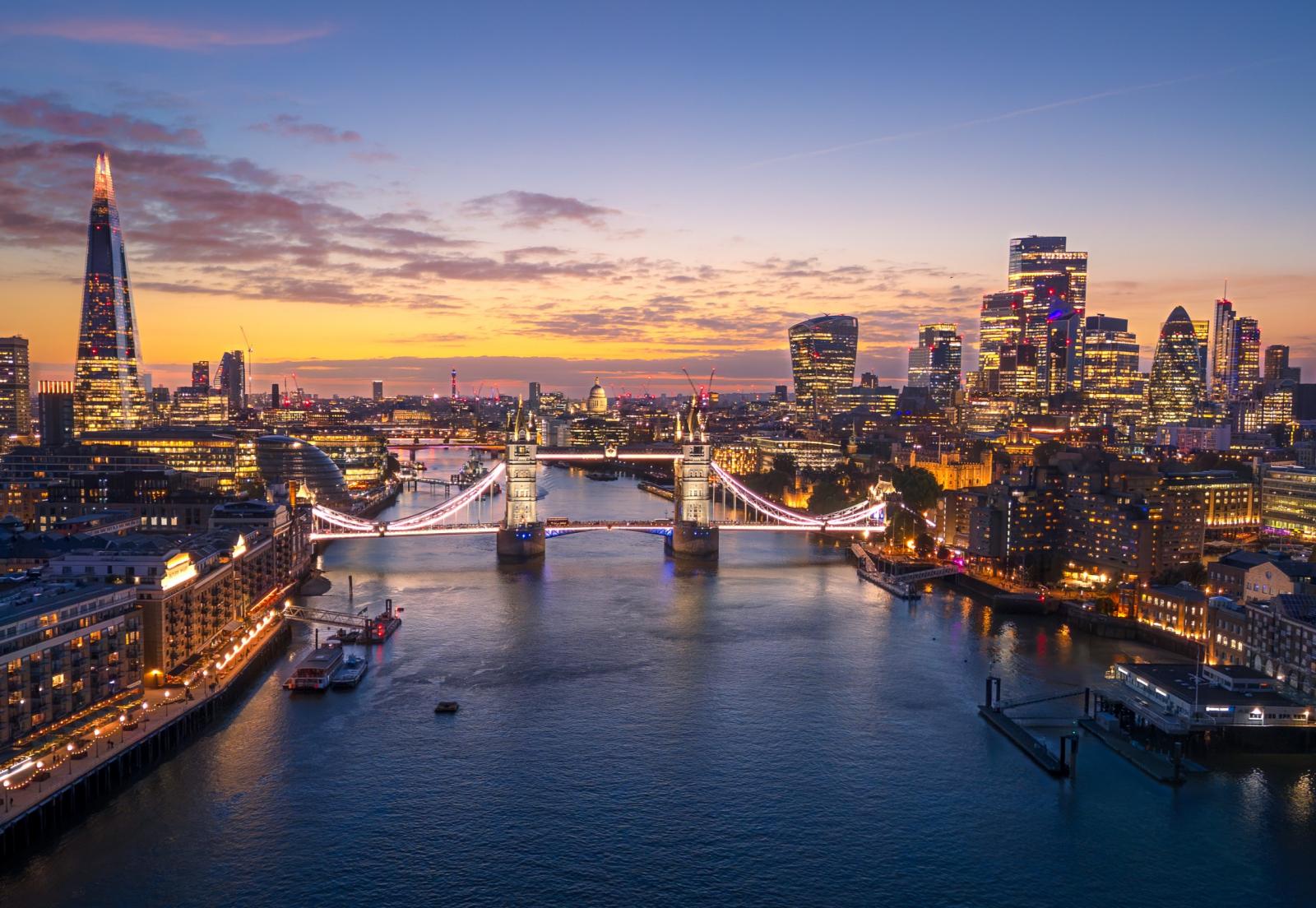
London Councils and the Mayor of London, working alongside local authorities, utilities, industry partners and Transport for London, have launched the London Infrastructure Framework, a bold long‑term blueprint designed to secure the capital’s future growth, resilience and global competitiveness.
As London’s population expands, its economy evolves and technology demands intensify, the Framework sets out decisive action to modernise and strengthen the capital’s infrastructure – ensuring the city remains a world‑leading destination to live, work, invest and innovate.
London faces unprecedented pressures: a fast‑growing population, new homes and developments, increasing demand for energy and water, and the need to safeguard essential services in the face of climate change.
The Framework identifies the city’s most urgent infrastructure needs across:
- Transport
- Energy systems
- Water and wastewater resilience
- Flood protection
- Digital connectivity
To remain competitive internationally, London also requires world‑class digital networks and radically expanded electrical capacity, particularly as the capital has become a global hub for AI innovation. With leading AI firms headquartered in the city, demand for electricity, and reliable, high‑capacity utilities, is set to grow sharply.
Without intervention, the capital risks facing utility shortages, hampering business growth, housing delivery and essential public services, especially given the fragility of ageing infrastructure.
The London Infrastructure Framework positions strategic infrastructure investment as a catalyst for:
- greater economic prosperity,
- climate resilience,
- sustainable development, and
- inclusive growth benefiting every Londoner.
Alongside building new systems, the Framework emphasises the importance of renewing and maintaining existing assets, including roads, railways, utilities and river crossings – essential for keeping London moving and connected.
The Framework sets out 51 priority infrastructure projects spanning transport, energy, water, flood risk, waste and digital connectivity. These are identified as the interventions with the greatest potential to unlock growth and enhance resilience. Key Examples Include:
West London Orbital
A new London Overground route to boost capacity in west and northwest London, relieve pressure on existing corridors and unlock new homes and jobs.
London Power Tunnels Phase 2
A major upgrade to future‑proof the city’s electricity network through new underground tunnels. This will support low‑carbon transport, new housing growth, electrified heating and the rapidly expanding tech and AI sectors.
Digital Connectivity for Growth
Investment in fibre and mobile infrastructure to support high‑density housing, commercial development, data centres and public services — ensuring London stays at the forefront of digital innovation.
Thames Estuary 2100 Programme
A long‑term flood management plan involving barrier upgrades, embankment improvements and tidal defence projects to protect communities from rising sea levels and climate impacts.
London Councils Chair Cllr Claire Holland commented:
“London needs the right infrastructure in the right places if we are to drive growth and tackle some of the capital’s major challenges – from the housing crisis to climate change.
“Whether it is securing new transport connections to facilitate housebuilding, boosting electricity capacity or expanding digital access, London must work together to deliver these priorities.
“Our new London Infrastructure Framework is a major step forward for co-ordinating our approach and helping secure the investment we need to make these ambitions a reality. We are pleased to be leading this work with the Mayor and other key partners to ensure London is equipped to succeed in the years to come.”
The Framework sets out how London will upgrade and modernise infrastructure by working closely with Government, investors, utilities and businesses to secure the foundations needed for the capital’s long‑term success.
It argues that strategic infrastructure planning is essential to:
- support new housing delivery,
- power emerging technologies,
- strengthen resilience against climate change,
- maintain global competitiveness, and
- ensure sustainable, equitable growth across all 32 boroughs and the City of London.
The London Infrastructure Framework marks a unified, long‑term commitment to ensuring that London can continue to grow, innovate and thrive for decades to come.
Image credit: iStock