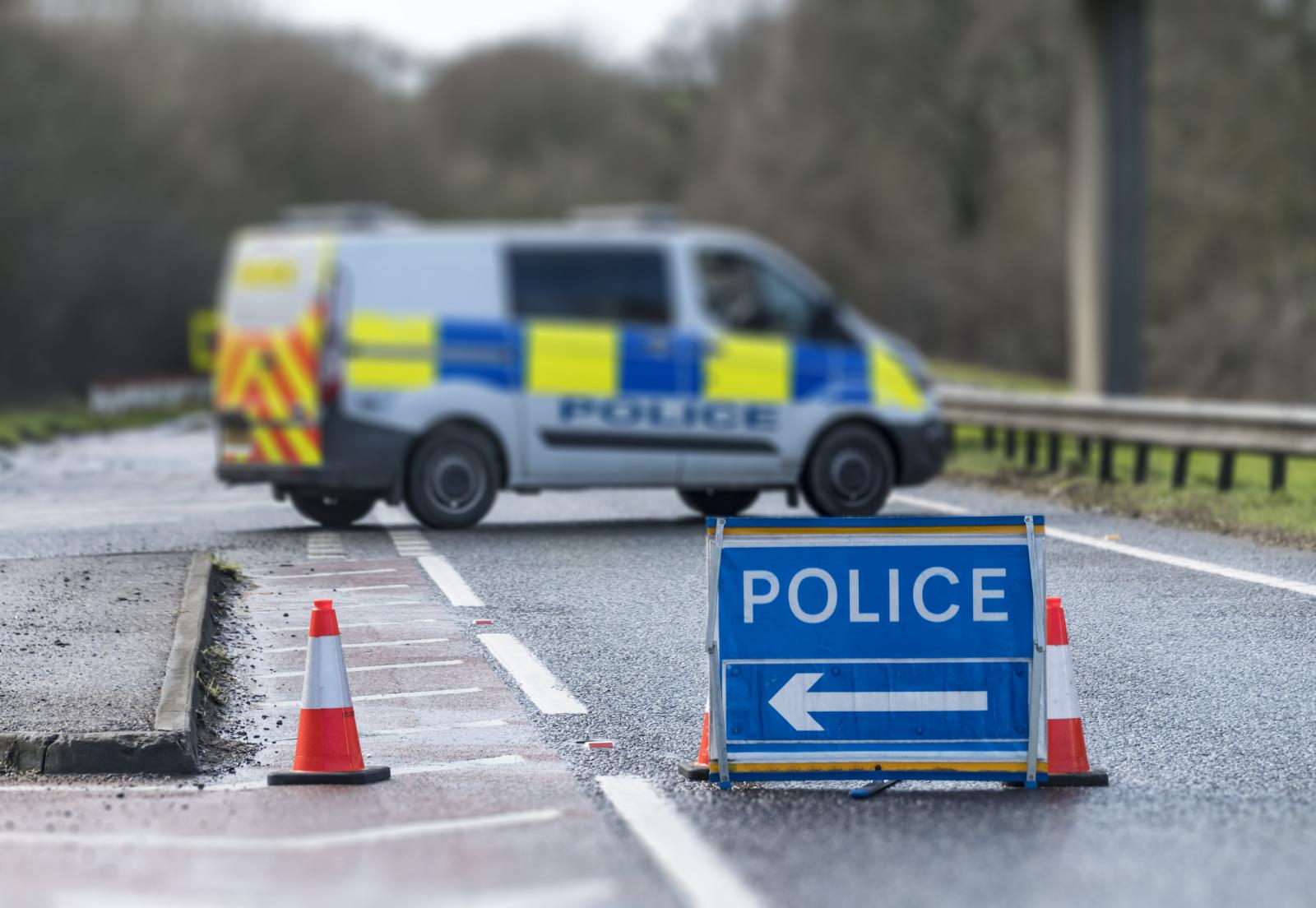

The UK Government has unveiled its first road safety strategy in more than 10 years, setting out bold measures to reduce deaths and serious injuries on Britain’s roads by 65% by 2035, and by 70% for children under 16.
The strategy aims to reverse a decade of stalled progress and make Britain’s roads among the safest in the world.
Currently, around four people die on Britain’s roads every day, with thousands more seriously injured each year. The new strategy targets the main causes of fatal collisions – speeding, drink and drug driving, seat belt non-use, and mobile phone distraction – through a series of consultations and reforms, including:
- Lowering the drink-drive limit in England and Wales, which has remained unchanged since 1967 and is the highest in Europe.
- Exploring alcohol interlock devices and new powers to suspend licences for suspected drink or drug driving offences.
- Mandatory eyesight tests for drivers over 70, with options for cognitive testing to protect all road users.
- Cracking down on illegal number plates, uninsured drivers, and vehicles without valid MOTs.
In 2023, one in six road fatalities involved drink driving, highlighting the urgent need for change.
The strategy mandates 18 new vehicle safety technologies, including autonomous emergency braking and lane-keeping assistance, aligning UK standards with Europe to improve safety and support industry growth.
A new Road Safety Investigation Branch will analyse collision patterns using linked police and healthcare data to identify root causes and inform prevention strategies.
Heidi Alexander, Transport Secretary, said:
“Every life lost on our roads is a tragedy that devastates families and communities. For too long, progress on road safety has stalled. This strategy marks a turning point.
“We are taking decisive action to make our roads safer for everyone, from new drivers taking their first lessons to older motorists wanting to maintain their independence. The measures we are announcing today will save thousands of lives over the coming decade.”
Motorcyclists account for just 1% of traffic but 21% of road deaths, while children in deprived areas face four times the pedestrian casualty rate of those in wealthier neighbourhoods. The strategy includes:
- Consulting on motorcycle training and licensing reforms.
- Supporting trials to improve motorcycle safety on rural roads.
- Launching a National Work-Related Road Safety Charter pilot, setting standards for employers whose staff drive or ride for work.
Local Transport Minister Lilian Greenwood added:
“Our vision with this ambitious road safety strategy is clear: to ensure that people can travel safely on our roads, however they choose.
“One of the hardest parts of my job is speaking to families who have lost loved ones on our roads, and this is something we as a government are taking action to prevent. No family should have to endure that loss, and this strategy sets out how we will work to ensure fewer do.
“Experts and campaigners have long called for a comprehensive strategy that treats road safety as a shared responsibility – from car manufacturers and town planners to drivers and legislators.
“This strategy, the first in over a decade, shows a government that is not just listening, but leading and together, we can build a safer future for all road users.”
Adopting the internationally recognised Safe System approach, the strategy acknowledges that while human error is inevitable, deaths and serious injuries are not. It calls for strong partnerships between government, local authorities, businesses, emergency services, and the public to ensure every journey starts and ends safely.
Image credit: iStock