11.09.14
Automated governance: a pathway to improved performance?
Guest blog by Guy Jelley
The public sector has always been expected to achieve best practice in governance and compliance, but meeting the challenge is a complex business. Guy Jelley is an expert in managing complex financial, IT and infrastructure projects in the public arena. He suggests that, by introducing governance automation into the portfolio management mix, public sector projects can enhance accountable decision making, as well as shifting the focus from compliance to performance.
Effective governance across the portfolio
It’s fair to say that the public sector has always been ahead of the game when it comes to governance, due to the inherent nature of publicly funded investment. Establishing integrated governance procedures, though, does not come without challenges.
The biggest of those is the co-funding model that typically supports public sector projects, especially infrastructure projects. Which model do you apply to suit which investor? How do you align them all? Most public sectors haven’t yet fully established national level governance frameworks. Different ministries tend to develop their own methodologies and frameworks, resulting in hybrid processes that can conflict.
In fact, in my experience, most public sector executives are comfortable with governance requirements in themselves. The debate today centres on how best to address those requirements in a systematised way across different sectors, project portfolios, governmental levels and investor demands.
Governance, compliance and the ‘decision making triangle’
The advent of Project Portfolio Management (PPM) has undoubtedly brought more harmony to the situation, but in my view we still have a journey ahead. Key to good governance is best practice in decision making. In the face of information silos and disjointed project processes, this can be difficult to achieve.
An automated approach can bring new order to the landscape. It can provide the process and reporting structures that public sector executives need to inform sound practices.
This doesn’t mean that decision making in itself could ever be automated – to attempt to do so would be a dangerous path indeed. What automation can achieve, however, is the auditability, visibility and enforceability that will influence the right decisions at the right time. This triangle provides accountability into project processes and collateral at every stage. That in turn can fuel better, faster and more streamlined implementation. It can eliminate the cost and time impact of heavy manual processes, not to mention removing the margin for error across complex and disjointed PPM structures.
However, establishing an automated governance model takes time. Yes, the legislation and funding structures dictate what you have to do. But actually internalising those processes demands an organisational commitment to the change. The starting point is the measurement of which structures are in place and where governance procedures must be leveraged to move things forward. This then equips the organisation to render those procedures fully enforceable.
It’s not a ‘one size fits all’ scenario. Flexibility is needed to apply the systems to varying governance frameworks, budgets and risks. The secret to successful automation lies in establishing full control, facilitating the ability to apply different and appropriate streams of governance across specific projects, but maintaining a coherent approach to the portfolio as a whole.
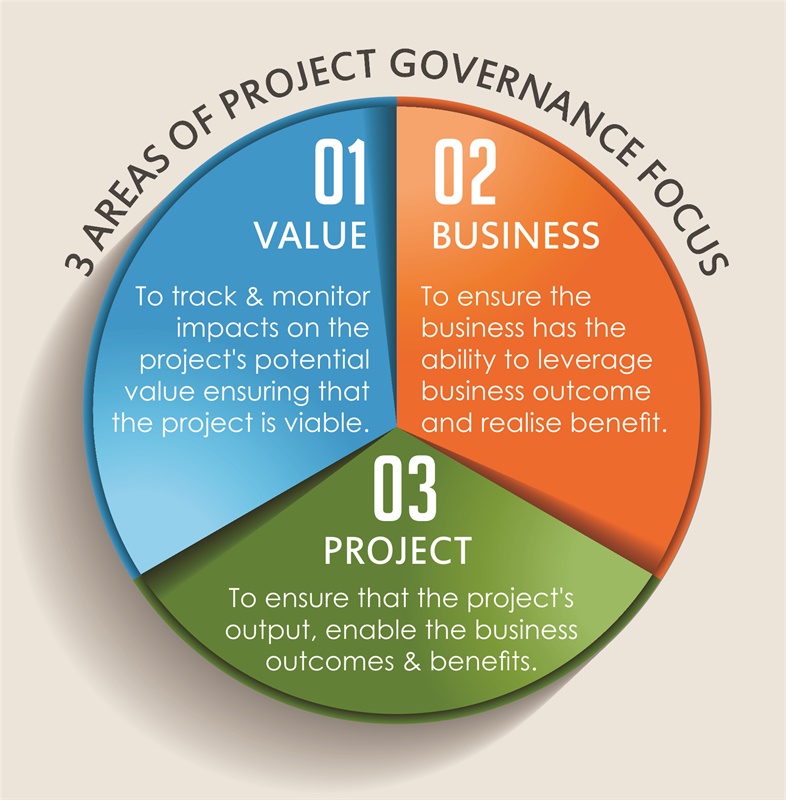
From obligation to benefit: the compliance versus performance debate
The benefits of automated governance, though, extend beyond accountability. In a legislative environment it’s natural for public sector executives to place their primary concern on achieving compliance, pushing performance down the agenda. But increasingly accountability is not just about compliance, it’s about project success too.
Many public sector executives see governance as an onerous demand that has to be met. In fact, we can benefit from shifting the sands so that we recognise good governance as a mechanism to bring structure and integrity to the project portfolio. If we can create a streamlined, automated approach to meeting governance requirements then we will free up time and resources for a better focus on project excellence. That can have a serious impact on project success rates – and this is surely something that we would all welcome.
Guy Jelley is one of the founders of PPM and collaboration solution provider, Project Portfolio Office, now deployed by more than 35,000 projects internationally. He has managed numerous complex financial and IT projects with large globals including FIFA 2010 World Cup, Deloitte, UTi, and PricewaterhouseCoopers. He will be giving a full presentation on the subject of automated governance at Project Challenge EXPO, 14 and 15 October, London Olympia. Delegates can register free to attend the seminar, and also access 40 free seminars throughout the show. Visit www.projchallenge.com for more information.